20-Minute Korean Ground Beef Bowl With Rice
A good Korean ground beef bowl should give you savory, lightly sweet beef in every bite, not a puddle of sauce at the bottom of your rice.
This 20-minute version pairs seasoned ground beef and finely chopped mushrooms with warm white rice, green onions, sesame seeds, and a little chili. It’s a one-skillet dinner that feels complete without needing several side dishes.
The method is what makes this bowl useful for a busy weeknight. Instead of browning plain beef and pouring sauce over it later, you mix the soy-based sauce into the raw ground beef and mushrooms before cooking. The onions go into the skillet first, then the beef cooks until the excess liquid reduces and the sauce coats the small pieces of meat.
The trick to getting dinner on the table in 20 minutes is starting with cooked rice. Warm it while the beef cooks, then spoon everything into bowls and add your toppings.
Below, you’ll learn how finely to chop the mushrooms, what to look for as the sauce reduces, and how to adjust the finished bowl if your soy sauce tastes saltier than expected.
Why This Korean Ground Beef Bowl Works for Busy Nights
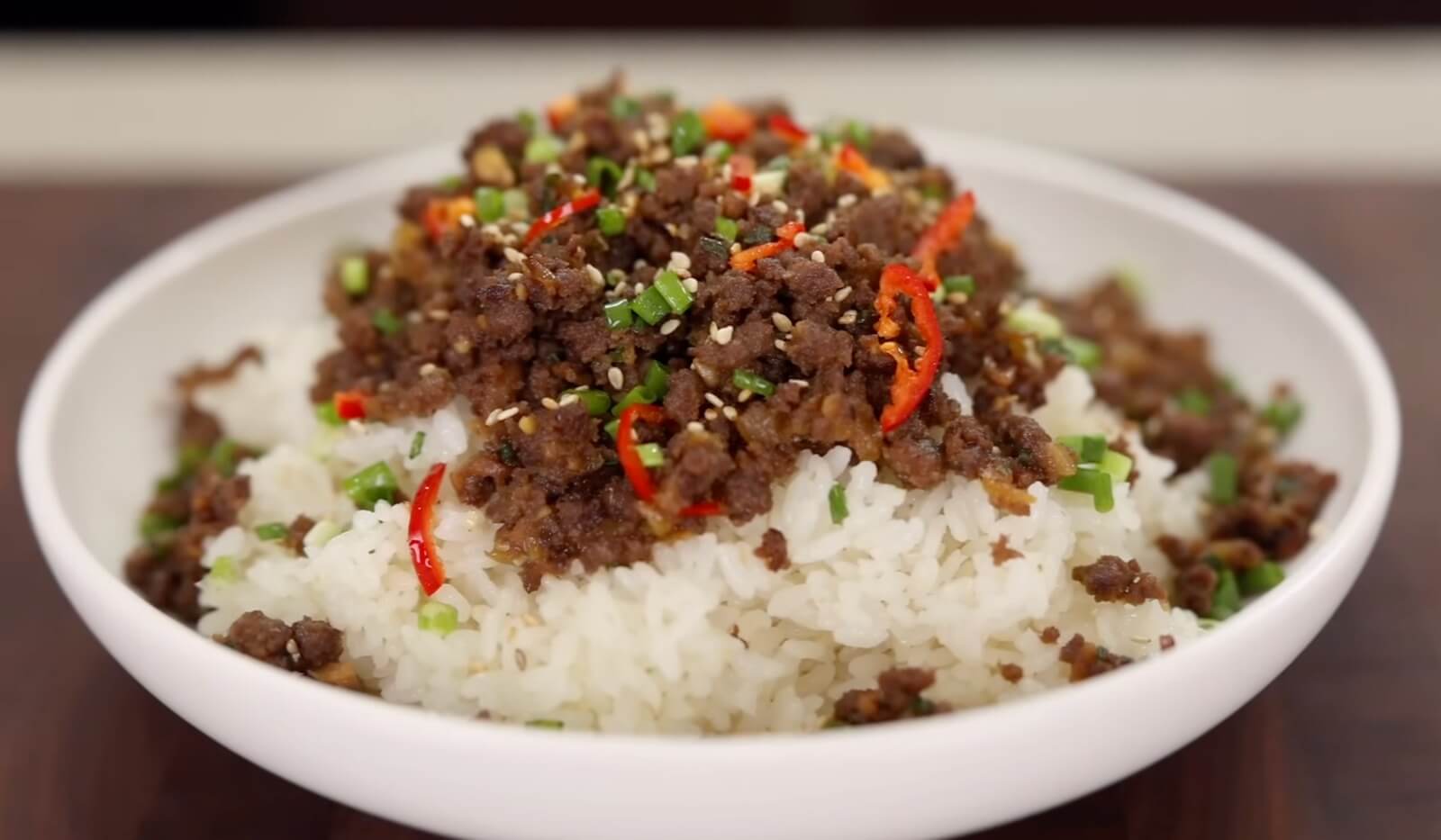
Ground beef gives you a savory beef-and-rice dinner without having to slice meat into thin strips. It cooks quickly, breaks into pieces that are easy to eat with a spoon, and mixes well with finely chopped mushrooms.
The cooking method also keeps the work contained. You prepare the sauce, season the beef, soften the onions, and cook everything in one skillet. There is no separate saucepan of sauce to wash afterward.
The one part worth planning ahead is the rice. If you already have cooked rice in the refrigerator or freezer, you can warm it while the beef cooks. Starting with dry rice may push dinner beyond the 20-minute mark.
A useful habit for another night: When you cook rice, make a little extra and refrigerate it promptly. Having a portion ready turns this bowl into a much easier last-minute dinner.
Ingredients That Give Korean Ground Beef Its Flavor
This bowl gets its flavor from a mixture of savory seasonings, sweetness, aromatics, and finely chopped mushrooms. Each ingredient contributes something different, so it helps to know what to expect before you start cooking.
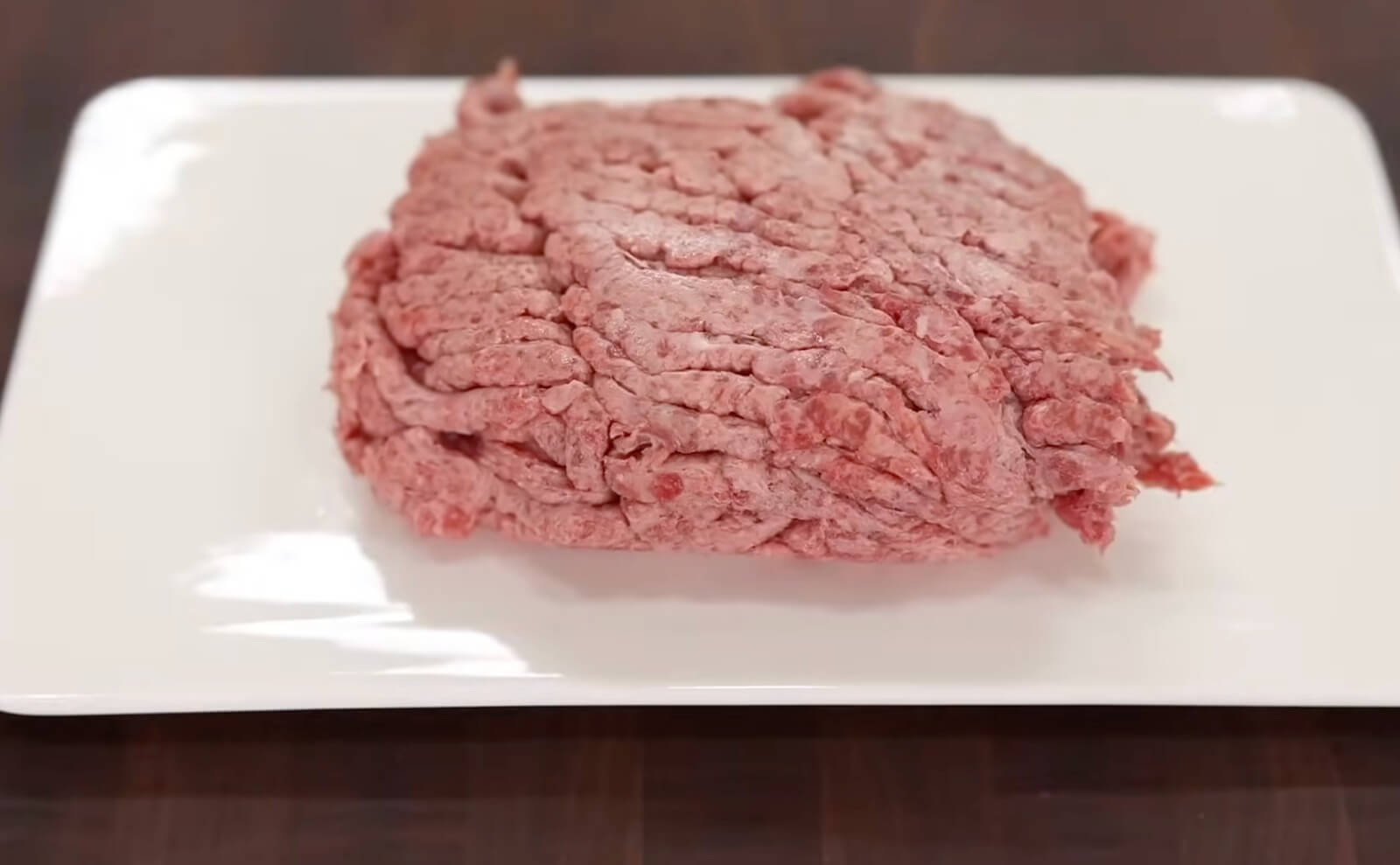
Ground beef is the base. Break it into small pieces in the skillet so the seasoning reaches the meat evenly and the finished mixture sits comfortably over rice.
Soy sauce provides much of the salty, savory flavor. The soy sauce used here is brewed soy sauce, not a bottled bulgogi sauce.
Sugar and mirin bring sweetness that balances the soy sauce. You want the beef to taste savory first, with a little sweetness coming through afterward.
Oyster sauce adds savory richness. Since it contributes saltiness alongside the soy sauce, taste the cooked beef before deciding whether it needs more seasoning.
Garlic adds aroma, while onion and green onions build flavor in the skillet and bring freshness to the finished bowl.
Shiitake mushrooms are chopped finely and mixed into the beef. They add savory flavor without turning the dish into a separate beef-and-mushroom stir-fry.
Sesame oil adds its distinctive aroma near the end of cooking.
The sauce takes inspiration from the flavors of bulgogi. Just One Cookbook describes a bulgogi marinade as: “Marinade: Korean (or Japanese) soy sauce, roasted sesame oil, brown sugar, garlic, Korean (or Japanese) pear, and freshly ground black pepper.”
This ground beef bowl has its own sauce and quicker skillet method. It is not the same recipe as traditional sliced-beef bulgogi.
Why Chop the Mushrooms So Finely?
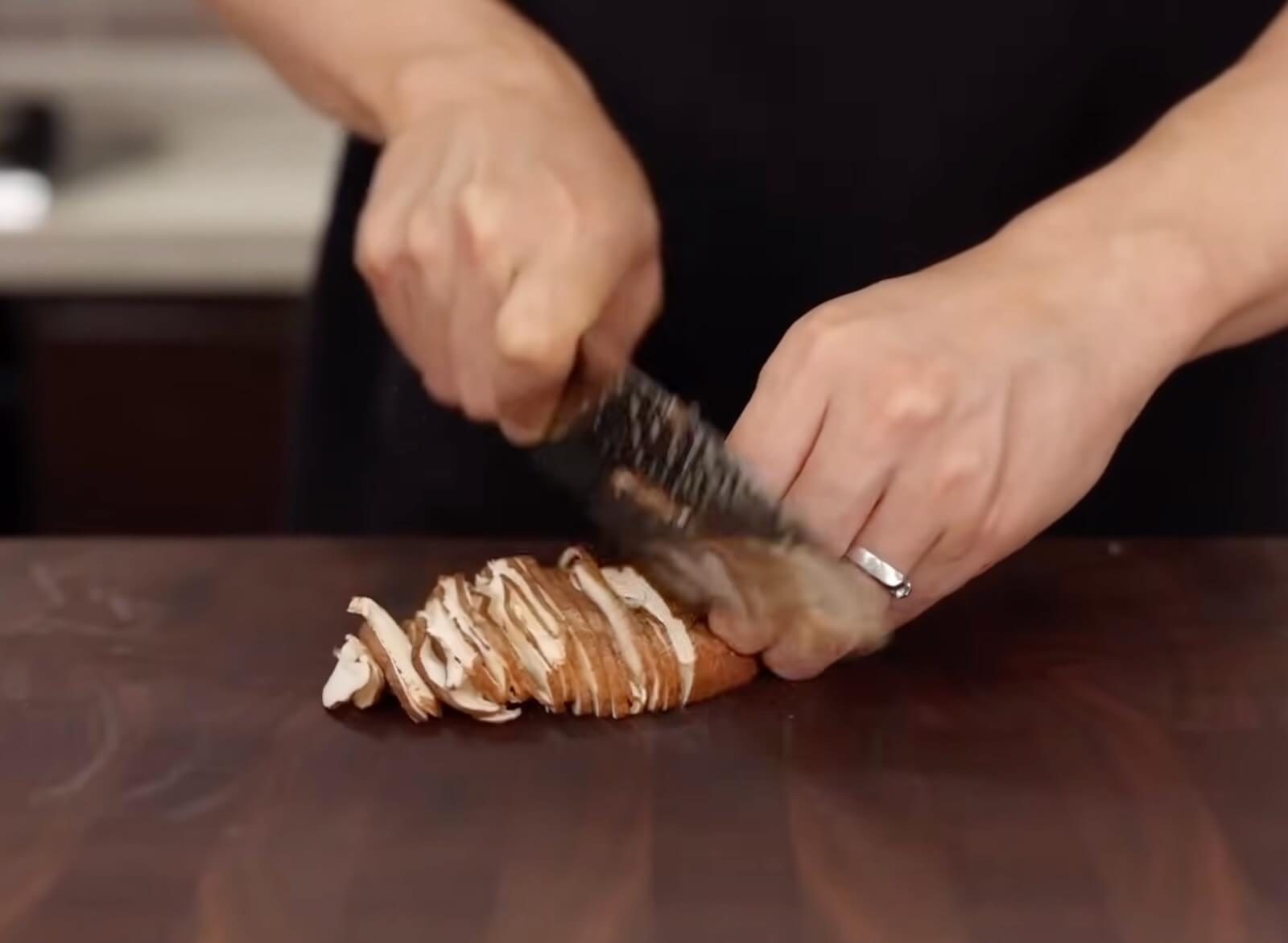
The mushrooms work best here when they are small enough to mix throughout the ground beef.
Large slices would stand apart from the meat and change the texture of the bowl. Finely chopped mushrooms cook alongside the beef and distribute their flavor through the mixture.
Cut them into small, fairly even pieces. They do not need to be minced into a paste, but you should be able to mix them easily through the raw beef without finding large chunks.
If someone at your table is unsure about mushrooms, the fine chop makes them less noticeable in the finished filling. You can leave them out if needed, though the flavor and texture will change.
How to Make Korean Ground Beef Bowls
The easiest way to make this recipe is to finish the preparation before turning on the stove. Have your rice ready, chop the vegetables, and measure the sauce ingredients. Once the skillet is hot, you can move from one step to the next without stopping to search for something.
1. Get the Rice Ready
Warm rice makes assembly quick once the beef is cooked.
If you are using refrigerated or frozen cooked rice, plan to reheat it thoroughly while the beef is in the skillet. A microwaveable rice packet is another option when you have not prepared rice ahead.
Set out your serving bowls now, too. It is a small step, but it means the finished beef can go straight from the skillet onto the rice.
2. Mix the Bulgogi-Style Sauce
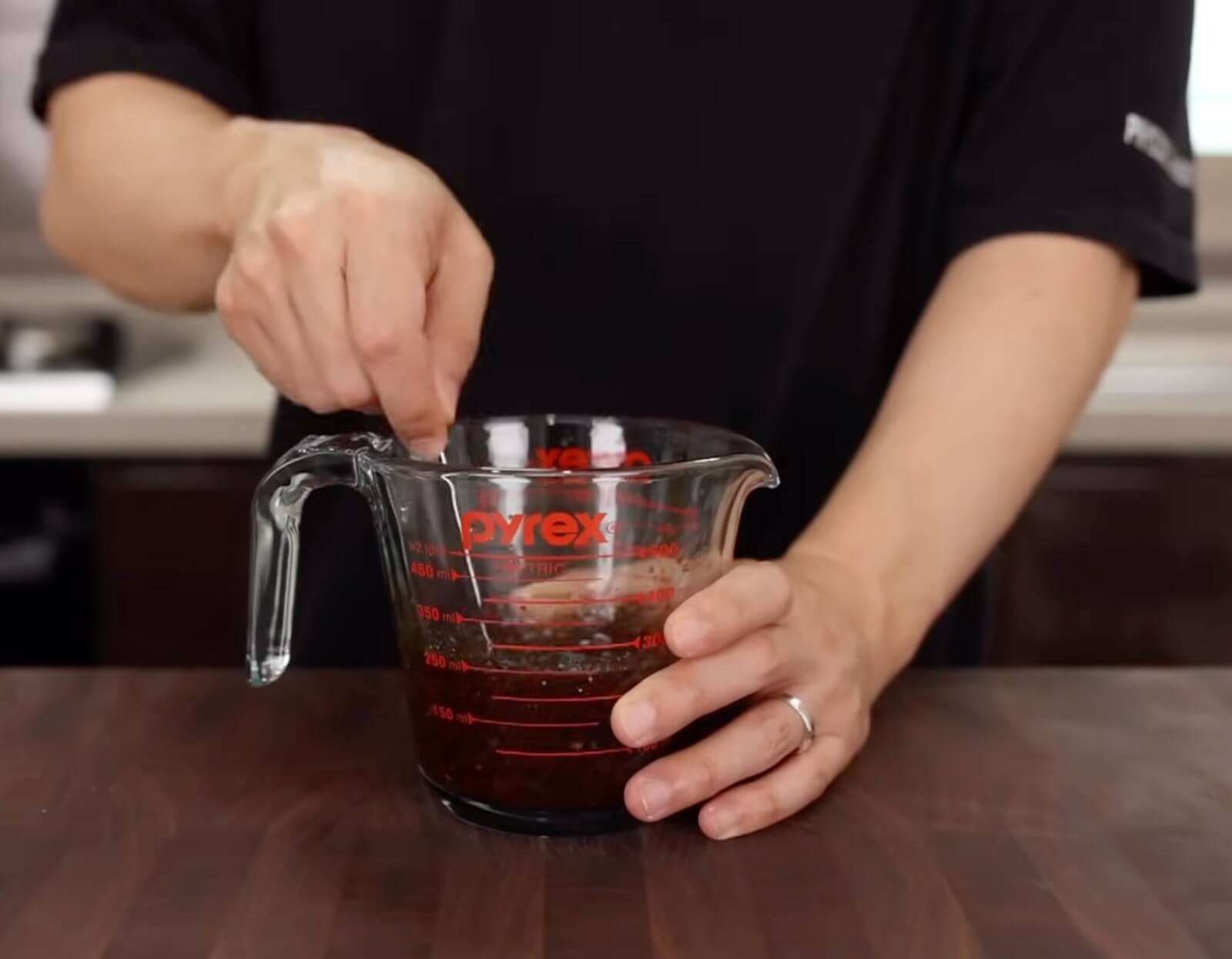
Combine the sauce ingredients in a measuring jug or small bowl, using the amounts in the recipe card.
Stir until the sugar is distributed through the liquid. Mixing everything separately makes it easier to coat the beef evenly and avoids measuring several ingredients over a hot pan.
Measure the soy sauce rather than pouring it by eye. You can adjust the finished bowl after tasting, but it is harder to correct a sauce that starts out too salty.
3. Coat the Ground Beef and Mushrooms
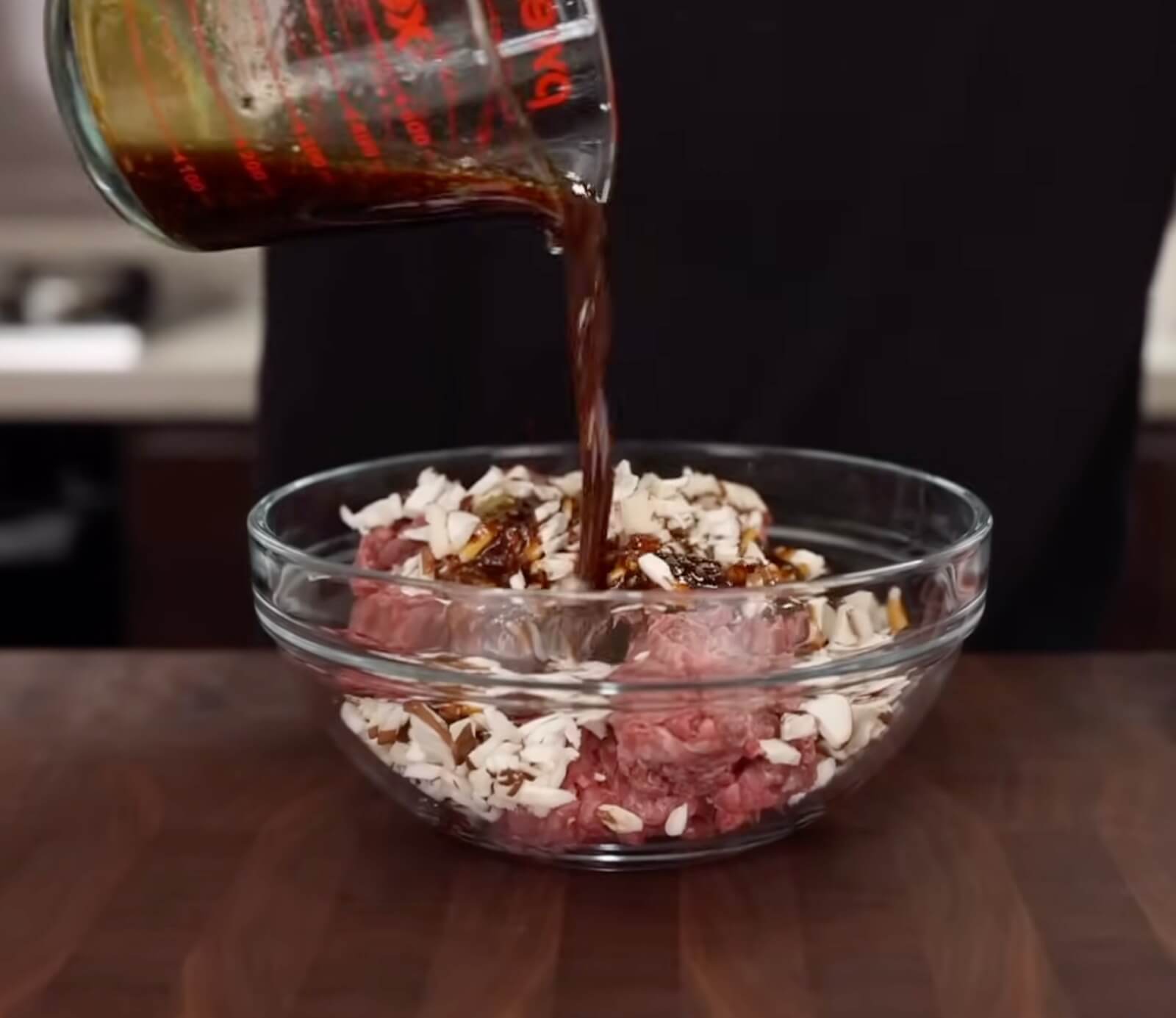
Add the finely chopped mushrooms and prepared sauce to the raw ground beef, following the recipe’s method.
Mix until the mushrooms and seasonings are spread throughout the meat. Use a spoon or your hands to bring the mixture together without squeezing it into a tight, compact mass.
This is an important part of the recipe. The sauce seasons the beef before it enters the skillet rather than being poured over plain cooked crumbles later.
4. Soften the Onion and Green Onions
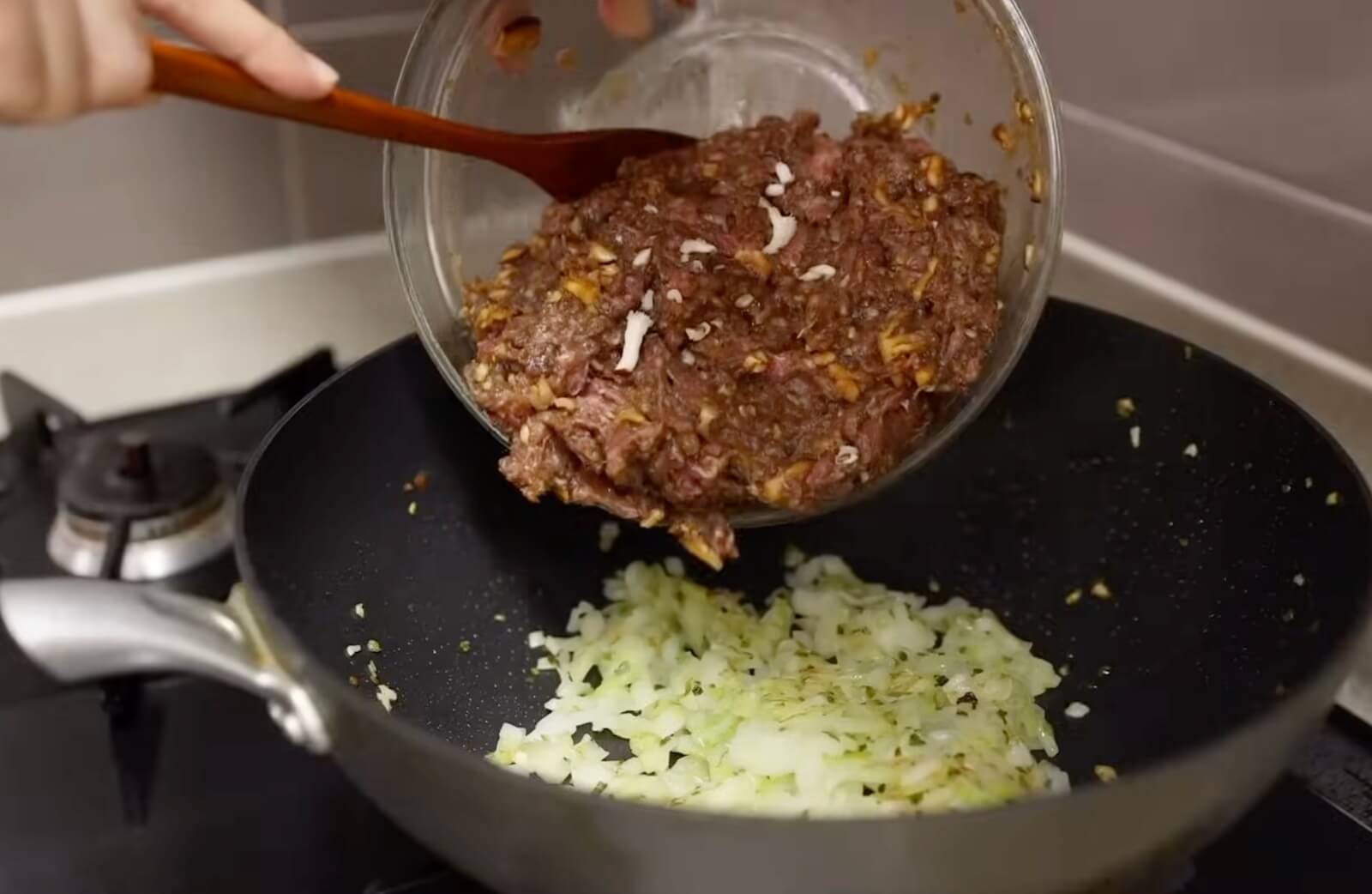
Add the onion and green onions to the skillet as directed. Stir until they begin to soften and smell fragrant.
Watch the smaller pieces of green onion so they do not burn. You want the aromatics to mix into the beef, not become dark and crisp.
Keep the seasoned meat close by so you can add it as soon as the onions are ready.
5. Cook the Beef and Reduce the Sauce
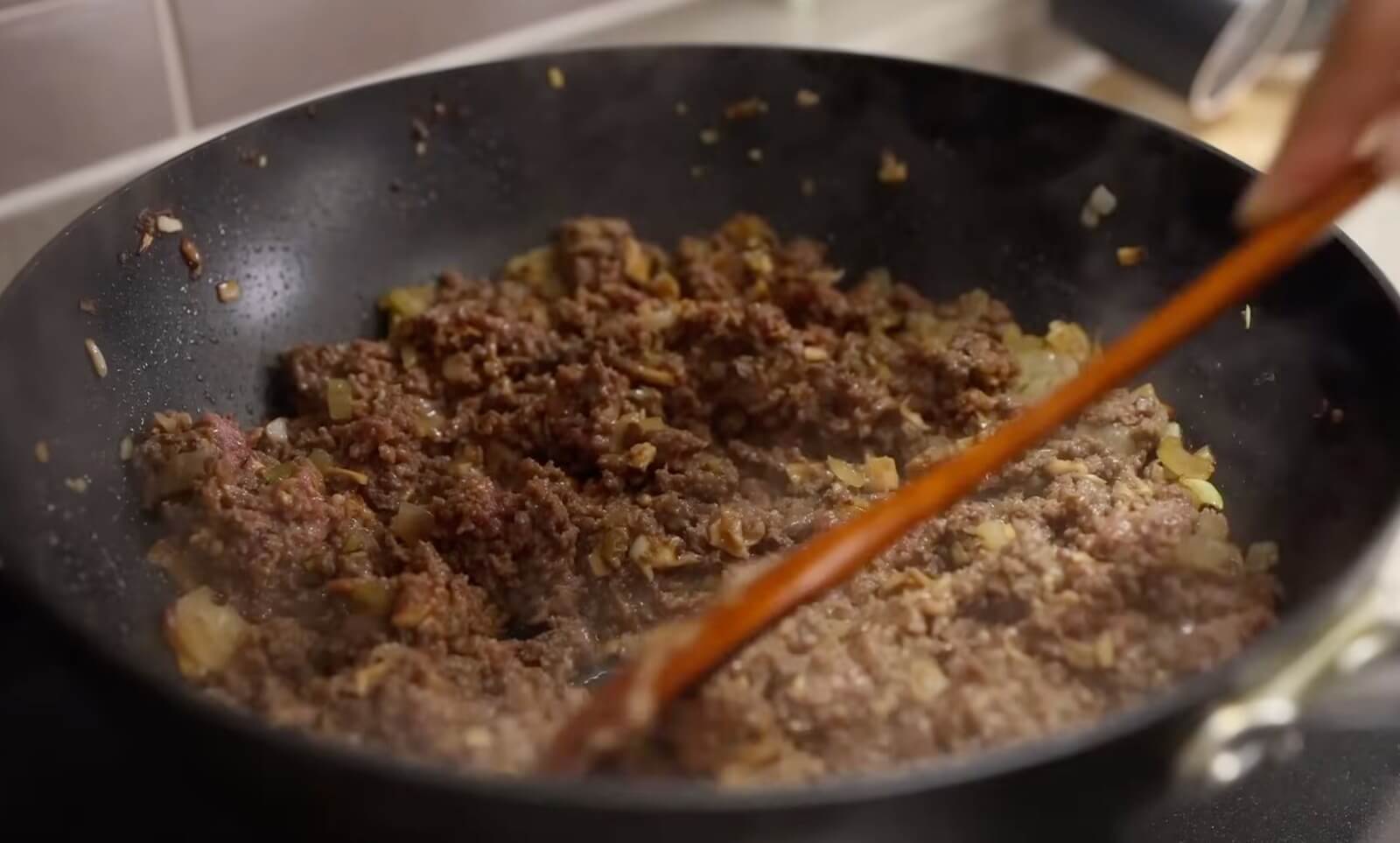
Add the seasoned beef mixture to the skillet and break it into small pieces as it cooks.
The meat and mushrooms will release moisture. At first, you may see liquid collecting around the beef. Continue cooking, stirring as needed, until the meat is cooked through and the excess liquid has reduced.
Look at the bottom of the skillet. A little glossy sauce coating the beef is what you want. A large pool of thin liquid means the mixture needs more time.
Do not drain away the liquid automatically. Some of it is the seasoned sauce. Give the extra moisture time to cook off so the flavor stays with the beef.
6. Add the Finishing Ingredients
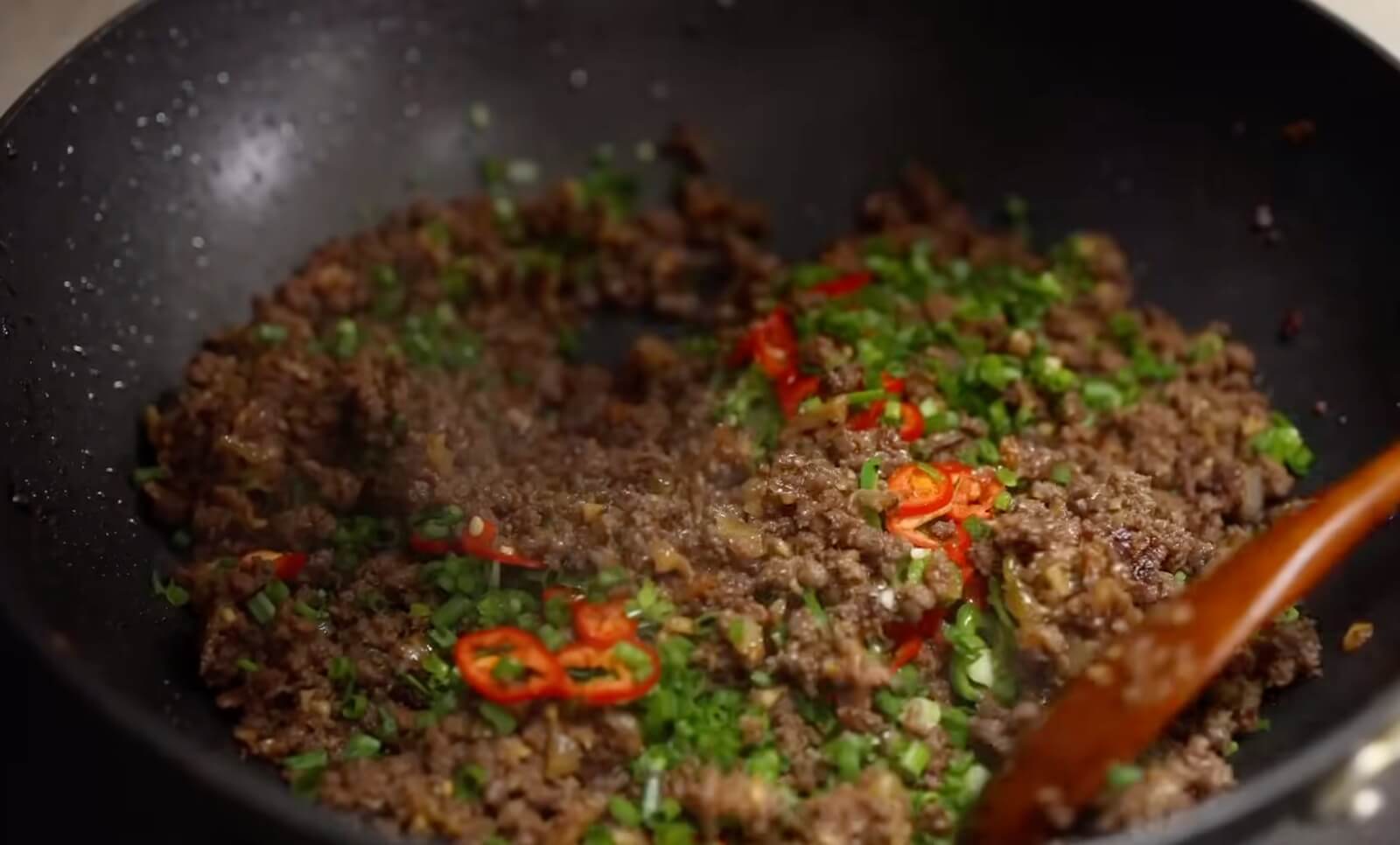
Once the beef is cooked and the sauce coats the meat, add the finishing ingredients from the recipe.
Green onions bring freshness, while sesame oil adds aroma. Taste a cooled spoonful before serving and make any needed adjustments.
If you are serving people with different preferences for heat, leave extra chili for the table rather than making every bowl spicy.
7. Assemble the Rice Bowls
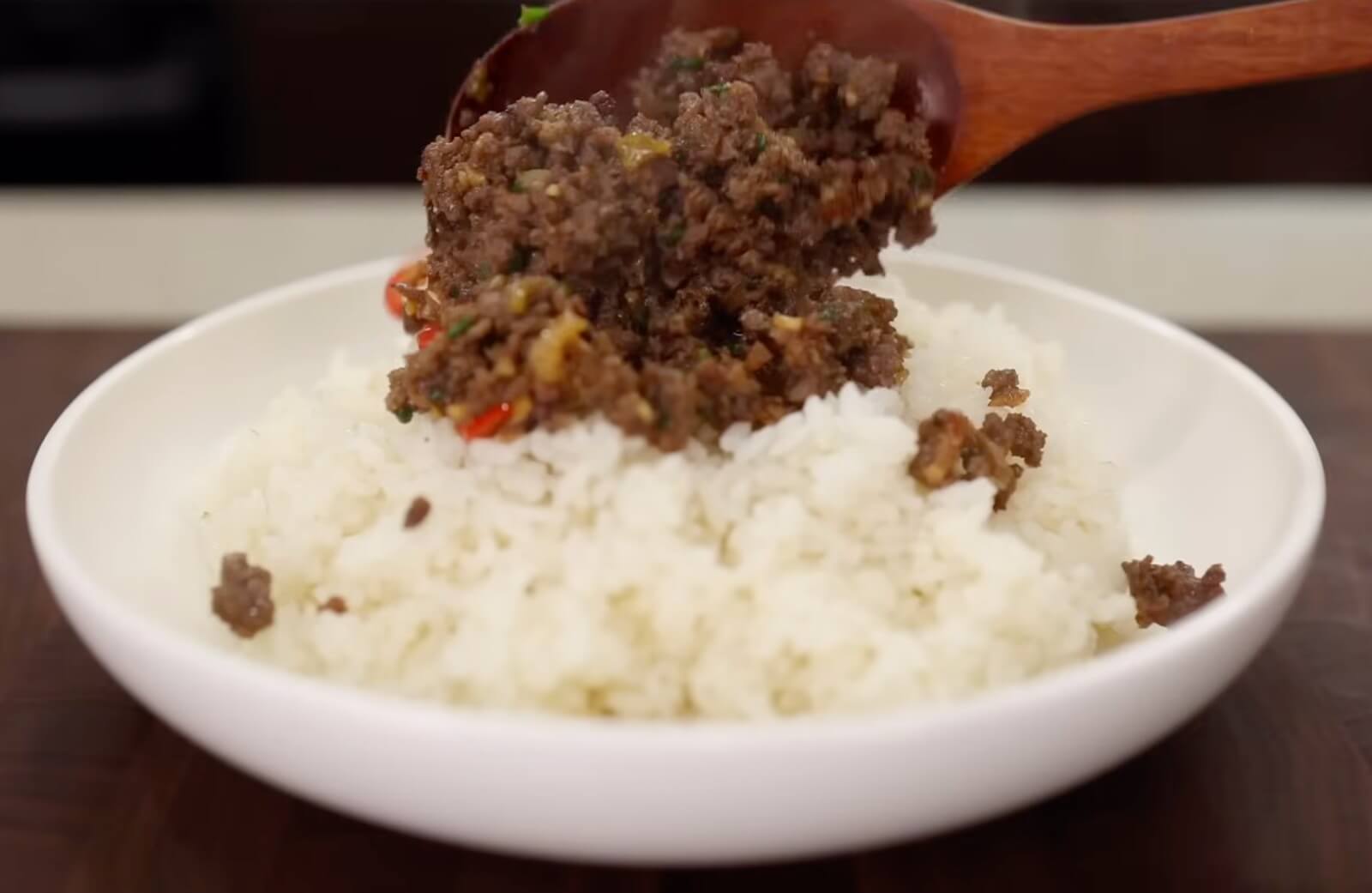
Divide the warm rice among your bowls and spoon the seasoned beef over the top.
Finish with green onions, sesame seeds, and sliced chili if you like.
Try to portion the beef evenly so the last bowl does not end up with mostly rice. Serve while the rice and beef are warm.
How to Keep Korean Ground Beef From Turning Watery
If the beef looks soupy during cooking, it may simply need more time for the moisture to reduce.
Ground beef releases liquid as it cooks, and the finely chopped mushrooms add moisture of their own. Because the sauce was mixed into the raw meat, you may see more liquid in the skillet at first than you would when browning unseasoned beef.
A wide skillet gives that moisture more room to evaporate. If the meat is crowded into a small pan, the mixture may simmer for longer before the sauce begins to cling to the beef.
Break up the meat as it cooks, but avoid stirring it constantly. Giving it a little time against the hot skillet can help the liquid reduce.
The goal is moist beef with a coating of sauce, not dry crumbles. Stop reducing once the beef is cooked through and the sauce looks glossy rather than watery.
That visual cue is more useful than trying to make the skillet completely dry.
How to Balance the Sweet and Savory Sauce
Different bottles of soy sauce can produce a different level of saltiness, even when you follow the same recipe. Taste a cooled spoonful of the cooked beef before adding extra seasoning.
If the beef tastes too salty, serve it with a little more plain rice. The rice helps balance the intensity without changing the beef mixture further.
If it tastes too sweet, avoid adding more sugar. Plain rice or an unsweetened vegetable on the side can make the overall bowl feel more balanced.
If you want more heat, add sliced chili to individual servings. That gives everyone control over how spicy their bowl becomes.
If the beef looks a little dry, stir in a small splash of water and warm it briefly. Add only enough to loosen the sauce so you do not undo the moisture reduction you worked for.
The best time to adjust the beef is while it is still in the skillet, before you divide it over the rice.
The 20-Minute Dinner Strategy
A 20-minute dinner is much more realistic when you are not starting every part of the meal from scratch.
Before cooking, chop the onions and mushrooms, mix the sauce, and have cooked rice ready to warm. While the beef cooks, heat the rice and set out the toppings.
For nights when you have no cooked rice available, The Kitchn offers this shortcut: “Don’t have time to cook rice from scratch? Microwavable Bibigo cooked rice bowls are my ultimate shortcut.”
A microwaveable rice packet, frozen cooked rice, or properly refrigerated rice from an earlier meal can all make assembly easier.
If you are cooking rice from dry, allow the additional time your rice needs. The 20-minute version of this meal depends on having cooked rice available.
Easy Ways to Build a Better Korean Beef Bowl
The beef and rice are satisfying on their own, but optional toppings can bring freshness, crunch, or extra substance to the meal.
Fresh cucumber slices give the bowl a cool, crisp contrast to the warm beef. Add them just before serving. They are an optional addition, not part of the beef mixture shown in the cooking steps.
A fried egg makes the bowl more substantial. Place it over the rice or alongside the beef.
Shredded carrots add crunch and color without another cooking step.
Kimchi brings a tangy, spicy contrast for anyone who enjoys it.
Extra green onions are useful when you want a fresher finish.
For a family dinner, put the optional toppings in small bowls and let everyone build their own serving. It is an easy way to accommodate different preferences without cooking separate meals.
Make-Ahead Tips for Busy Weeknights
You can make this dinner easier long before it is time to eat.
Chop the onions and mushrooms ahead and keep them refrigerated until cooking. You can also measure the sauce ingredients in advance so they are ready when you need them.
For an even quicker meal later, cook the beef mixture ahead, cool it promptly, and refrigerate it in a covered container. When dinner time comes, reheat the beef and rice thoroughly and add fresh toppings.
If you are packing lunch, keep cucumbers and other crisp vegetables separate. Add them after reheating so they stay cool and crunchy.
This meal also works well in a small kitchen. Prepare the ingredients first, clear the cutting board, and use the same counter space to assemble the bowls while the beef finishes cooking.
How to Store and Reheat Leftover Korean Ground Beef
Leftover beef and rice can make another useful meal, but store them promptly after cooking.
Transfer leftovers to covered containers and refrigerate them. If you have a large amount of rice, divide it into smaller, shallow containers so it cools more quickly.
Rice needs particular care. Food Network explains: “Rice can harbor a bacteria known as Bacillus cereus, and under certain conditions, this bacteria can multiply and produce enough toxins to cause foodborne illness.”
Do not leave cooked rice sitting at room temperature for hours. Cool and refrigerate it promptly.
When you are ready for another bowl, reheat the beef and rice thoroughly. If the rice has dried out, add a small splash of water before warming it.
Keep cucumber, green onions, and other fresh toppings separate until serving.
You can also freeze the cooked beef in portions so you can thaw what you need for a future meal.
Common Korean Ground Beef Bowl Mistakes
A few small fixes can help if your bowl does not turn out quite as expected.
Beef forms large clumps. Break it into smaller pieces with a spatula as it cooks. Smaller crumbles mix more evenly with the sauce and are easier to eat with rice.
Onions begin to burn. Stir them and adjust the heat before adding the beef. The onions should soften and smell fragrant, not turn dark and bitter.
Sauce tastes too salty. Serve the beef with additional plain rice rather than adding more soy sauce or oyster sauce.
Rice has dried out. Add a small splash of water before reheating and cover it while it warms.
Bowl tastes too rich. Add fresh cucumber slices or another crisp vegetable for contrast.
Beef looks dry. Stir in a small splash of water and warm it briefly until the sauce loosens.
Check the finished beef before assembling the bowls. It is easier to correct the texture or seasoning in the skillet than after everything has been divided into individual servings.
Frequently Asked Questions
Is a Korean ground beef bowl the same as bulgogi?
This is a quick ground beef bowl with bulgogi-style sweet and savory flavors. Traditional bulgogi commonly uses thinly sliced meat, while this recipe uses ground beef and a skillet method.
Can I use regular ground beef instead of lean ground beef?
Yes, though the amount of fat in the skillet may differ. If you see excessive grease, remove some carefully without pouring away all the seasoned sauce.
Do I need gochujang for Korean ground beef bowls?
No. This recipe uses a soy-based sauce and does not require gochujang. Add chili at serving time if you want more heat.
Can I make Korean ground beef bowls ahead of time?
Yes. Cook the beef, refrigerate it promptly, and reheat it thoroughly when you are ready to serve. Keep fresh toppings separate until the bowls are assembled.
What rice works best for Korean beef bowls?
Warm white rice works well with the savory beef. You can use another fully cooked rice variety if you prefer, though it will change the texture of the finished bowl.
Can I freeze the cooked ground beef?
Yes. Cool it promptly, pack it into suitable freezer containers, and portion it so you can thaw only what you need for another meal.
A Fast Dinner Worth Keeping in Rotation
Once you know how to season the beef before cooking and let the extra liquid reduce, this bowl becomes easier to make without watching the clock at every step.
Keep cooked rice available, prepare the vegetables before heating the skillet, and add fresh toppings at the end. Those small habits turn a package of ground beef into a warm, flavorful dinner that fits a busy evening.
And if you make enough beef for another meal, the next bowl is already partway done.
Also read:
Ground Beef and Sweet Potato Bowl That’s Hearty, Healthy, and Easy