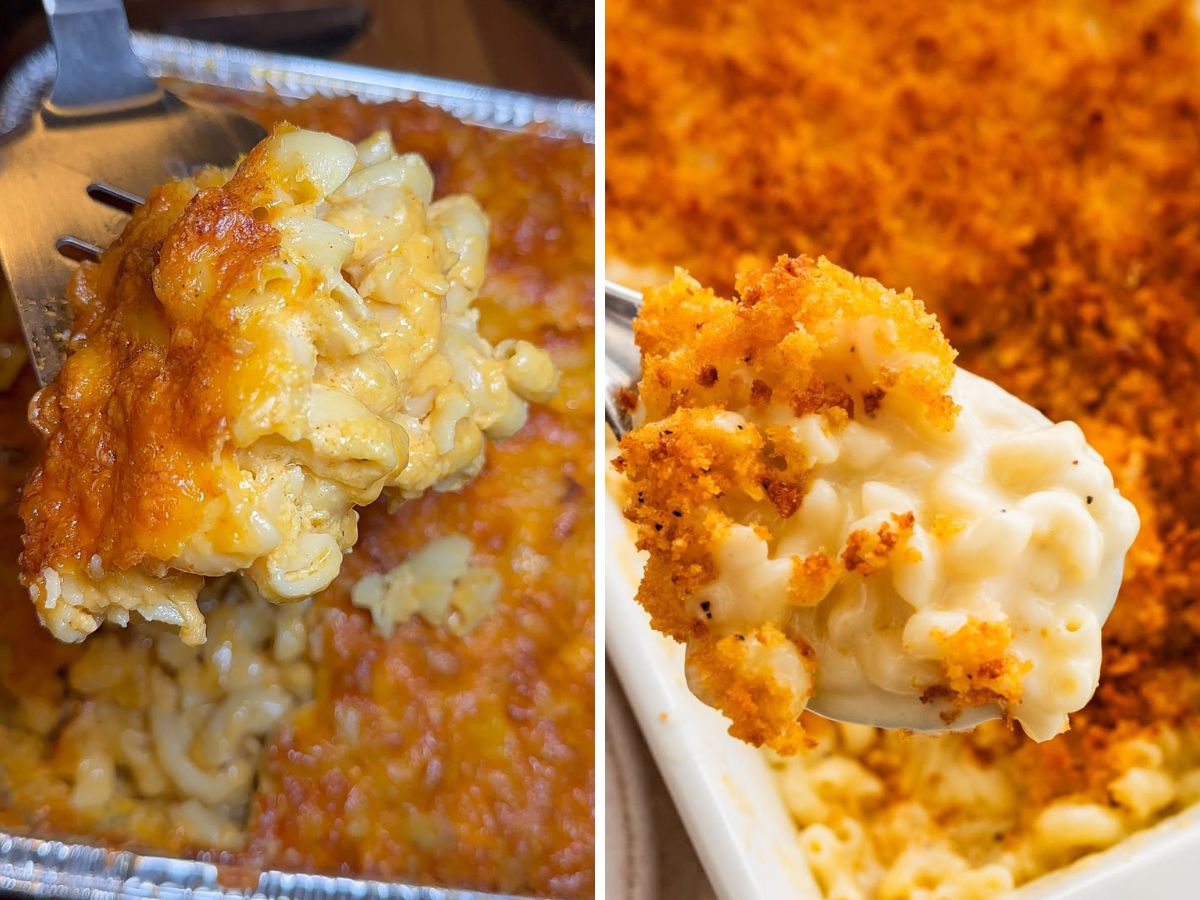
Extra Creamy Baked Mac and Cheese Recipe That Stays Moist
I’ll be honest, I used to dread baked mac and cheese. Every time I pulled a pan out of the oven, the top turned dry while the center tightened into clumps. I kept thinking I was doing something wrong. I wanted that silky, spoon-worthy version people rave about, the kind that stays soft even after it cools on the table.
One day I tried a five-cheese recipe that leaned heavily on cream. I didn’t expect much, but the moment I stirred the sauce, I knew something was different. It stayed smooth. It coated the spoon. It felt like the kind of mac you make when you want comfort without worry.
If you’ve struggled with baked mac drying out, this version helps fix that. The blend of cheeses, the cream base, and a few simple steps hold moisture inside instead of letting it disappear in the oven. You can make it in a small kitchen, on a busy weeknight, or when you want a dish you can trust to turn out right.
Let me walk you through how it works. And why it stays creamy from the first bite to the last.
Why This Version Stays Moist When Others Dry Out
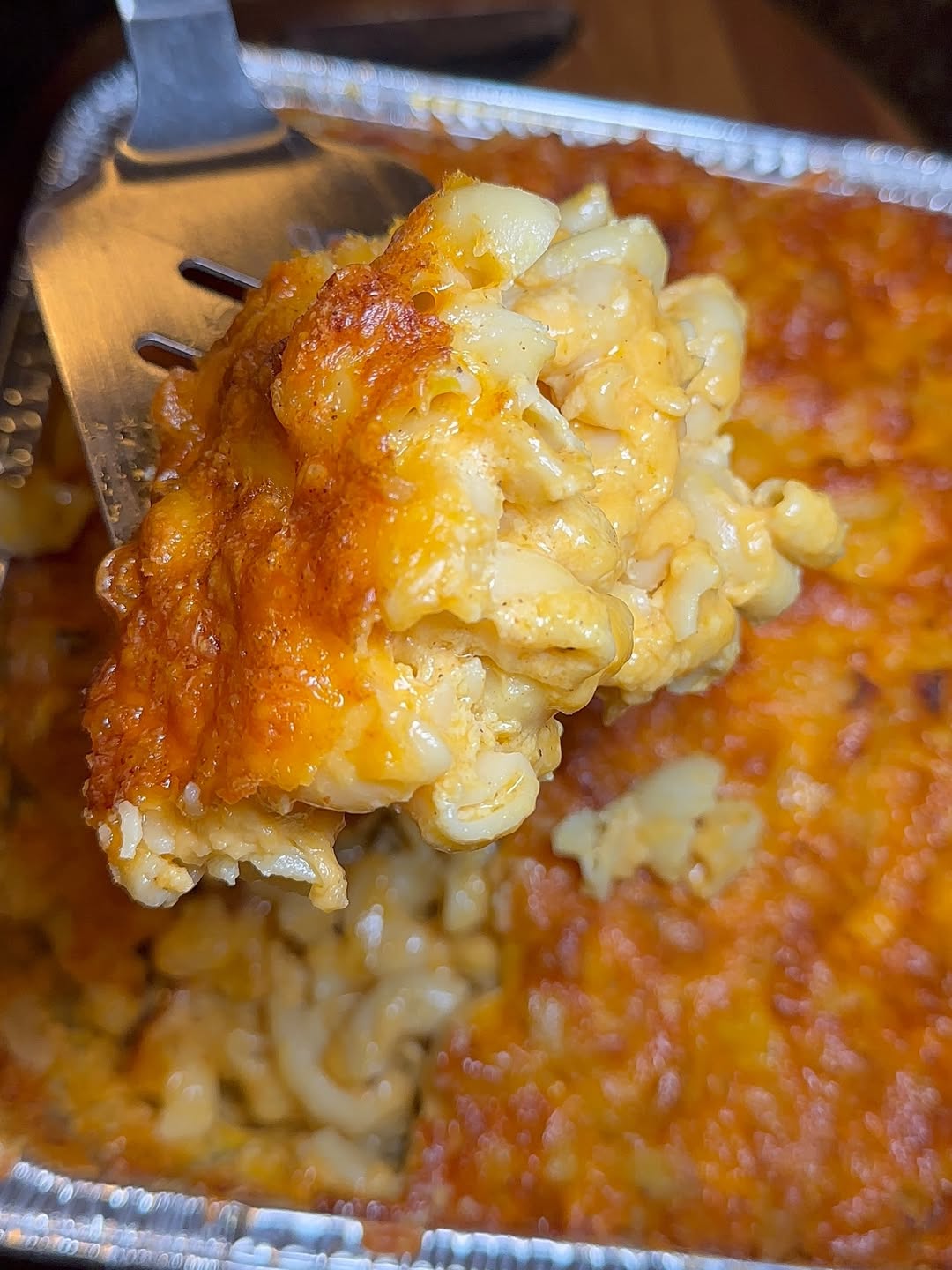
Baked mac often looks perfect in the oven but dries within minutes on the counter. I ran into that problem over and over. The top turned firm, the center tightened, and the cheese lost its softness. That’s when I switched to a sauce that holds on to moisture from start to finish.
Instead of relying only on milk and shredded cheese, I built a deeper base: a butter and flour roux, half and half, heavy cream, cream cheese, and a spoon of sour cream. This keeps the sauce steady under heat and leaves no dry pockets.
Serious Eats explains the same idea in its Classic Baked Macaroni and Cheese Casserole, where the roux helps the cheese melt evenly without turning grainy.
Every part of this mixture keeps the sauce soft. The pasta cooks only to al dente so it doesn’t drink up all the liquid. The cheese melts at a slow pace, which helps the sauce stay glossy. When I pulled my dish from the oven, even the edges stayed creamy after cooling. That was the moment I knew this method fixed years of frustration.
The Five-Cheese Blend That Gives Depth and Comfort
Cheese choice can make or break baked mac. Some melt smoothly. Some give flavor. Some add body. I wanted a balance that tasted rich without feeling heavy. That’s why I used smoked Gouda, Colby Jack, mozzarella, sharp cheddar, and cream Havarti.
Bon Appétit takes a similar approach in its BA’s Best Mac and Cheese recipe, where combining a mix of good-melting cheeses creates a smoother texture and deeper flavor.
Smoked Gouda adds warmth and a mellow smoky taste. Colby Jack and mozzarella stretch beautifully and give that soft pull when you lift your fork. Sharp cheddar adds sharpness that cuts through the cream so the dish doesn’t taste flat. Havarti melts into a buttery layer that ties everything together.
I skipped pre-shredded bags. They never melt as well. Allrecipes explains that anti-caking agents in packaged shreds pull moisture away and keep cheese from melting smoothly.
When I grated fresh blocks, the sauce turned silky in minutes, and every cheese blended into the next without clumps.
Once all five went into the pot, I got a sauce that clung to every curl of pasta. It moved slowly, looked glossy, and stayed soft even after baking.
Next, let’s look at how the cream base supports that melt.
Cream, Roux & Why the Sauce Holds Together
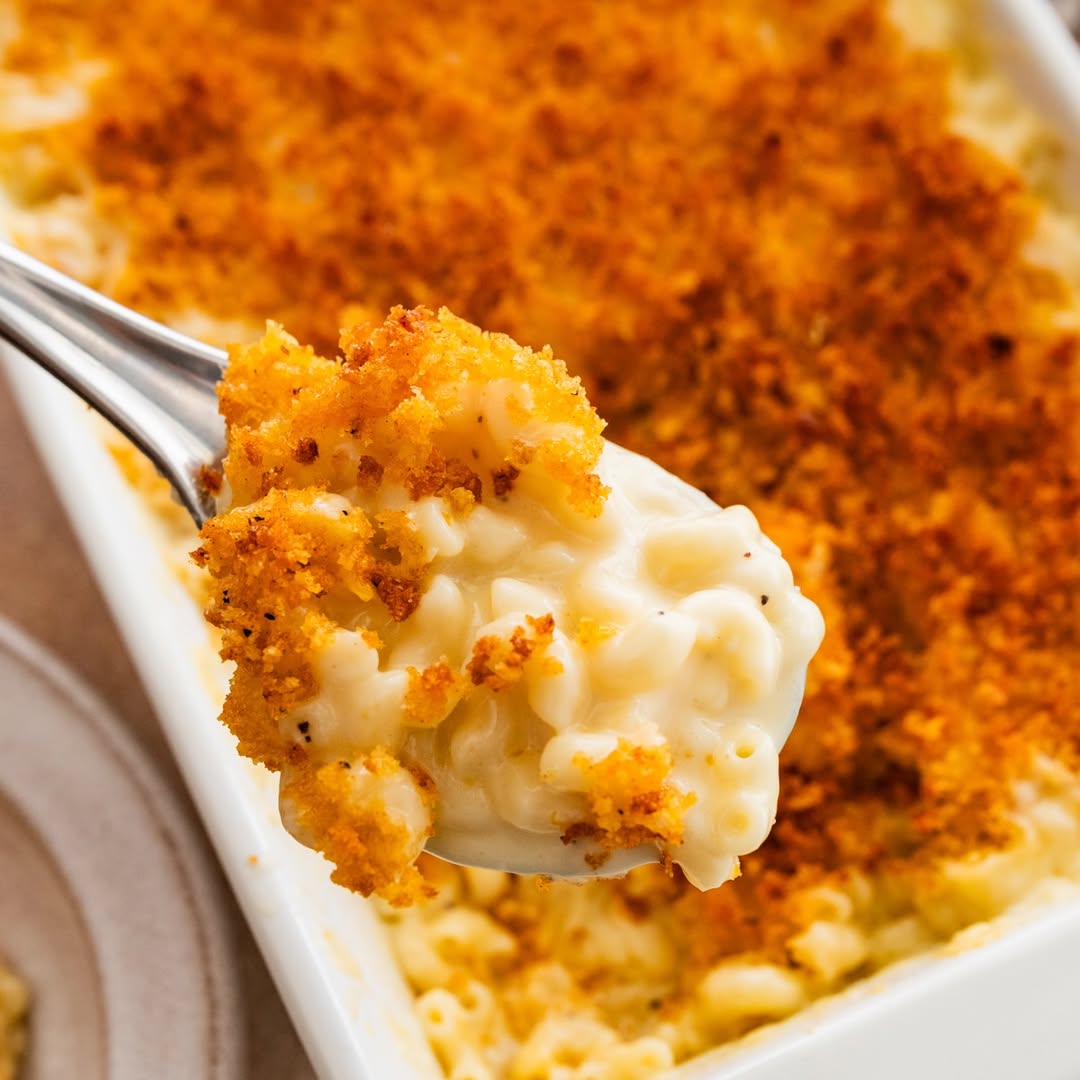
Once the butter melted in the pan, I whisked in flour until the mixture thickened slightly and smelled warm. That short cook time helps the base absorb liquid later without turning chalky.
When I poured in half and half and heavy cream, the roux opened up and turned the mixture into a smooth, warm bath ready for cheese.
Cream cheese and sour cream helped the sauce stay steady. They added body without making it heavy. Minced garlic went in at the right moment so the garlic softened without burning.
BBC Good Food uses the same idea in its “Best ever macaroni cheese,” where a gentle roux and a pinch of mustard powder help keep the sauce smooth after baking. The moment you see the sauce coat the back of a spoon, you know it’s going to stay creamy inside the oven.
When this sauce cooled slightly, it still held its shine. No separation. No oily layer. Just a thick, clingy sauce ready to wrap around pasta.
Now the pasta itself needs the right treatment, or all this work won’t matter.
Salted Pasta Water and Al Dente Pasta: Step That Changes Everything
The pasta stage seems simple, but it controls the texture more than anything else. I brought a pot of salted water to a boil, added the corkscrew pasta, and watched it closely. I stopped cooking a minute early so the pasta stayed firm enough to hold shape in the oven.
King Arthur Baking shares the same idea in its Garlic-Herb Mac & Cheese, where al dente pasta keeps baked mac from going mushy. Pasta continues cooking even after you drain it, and that short window matters.
Corkscrew pasta makes this dish feel extra creamy because every twist holds sauce inside. When I mixed the pasta with the warm cheese sauce, I could see little pockets filling up. Those pockets stay molten even as the dish rests.
This sets the perfect stage for building the casserole before it heads into the oven.
Ingredients You’ll Need for Extra Creamy Baked Mac and Cheese
When you know why an ingredient is in the dish, you start to cook with confidence. Each item in this recipe plays a clear role in keeping the mac creamy, soft, and full of flavor.
1 lb corkscrew pasta
This shape holds sauce inside every twist. The grooves catch melted cheese so each bite feels full, not dry. It also holds up better in the oven than small elbows.
4 tbsp unsalted butter + 4 tbsp flour
These two form the base of the roux. The butter melts into the flour and creates a silky paste that thickens the cream without leaving a chalky taste. This is what keeps the sauce sturdy once it bakes.
5 cloves garlic, minced
Garlic warms the flavor without taking center stage. It softens in the butter and blends into the cream so the sauce feels richer.
2 cups half and half + 2 cups heavy cream
This is the heart of the moisture. Heavy cream adds richness. Half and half keeps the texture smooth and loose. Together, they prevent the sauce from tightening in the oven.
4 oz cream cheese (softened)
Cream cheese melts into a glossy layer that keeps the sauce thick but soft. It gives the baked mac the same velvety pull you get from stovetop versions.
2 tbsp sour cream
Sour cream brings slight tang and extra fat. It rounds the sauce and helps it stay creamy even after resting.
1/2 lb smoked Gouda
Adds warmth and smoky comfort. It melts easily and deepens the overall flavor.
1/2 lb Colby Jack
Softens the sauce and helps it stretch. This cheese keeps the mac smooth from the first scoop.
1/2 lb mozzarella
The melt factor. Mozzarella gives the dish that gentle pull and soft texture.
1/2 lb sharp cheddar
Bright flavor that cuts through the richness. Without it, the sauce tastes flat.
1/2 lb cream Havarti
Creates buttery softness. Havarti melts evenly and gives the sauce a silky finish.
2 tsp chicken bouillon
Adds savory depth. This helps balance the cream so the sauce doesn’t taste one-note.
2 tsp garlic powder + 2 tsp onion powder
These fill in the gaps where fresh aromatics can’t reach. They season the sauce from within.
2 tsp smoked paprika
Adds gentle color and a quiet smoky layer that pairs with the Gouda.
1 tsp mustard powder
King in cheese sauces. It sharpens the flavor and supports the melt. A recent piece from Simply Recipes explains that mustard powder helps the sauce stay creamy and gives the cheese flavor more depth without tasting like mustard.
Salt and pepper
Simple seasoning that makes everything else shine.
Together, these ingredients build a sauce that stays creamy even after cooling.
Step-by-Step Instructions To Make Extra Creamy Baked Mac and Cheese
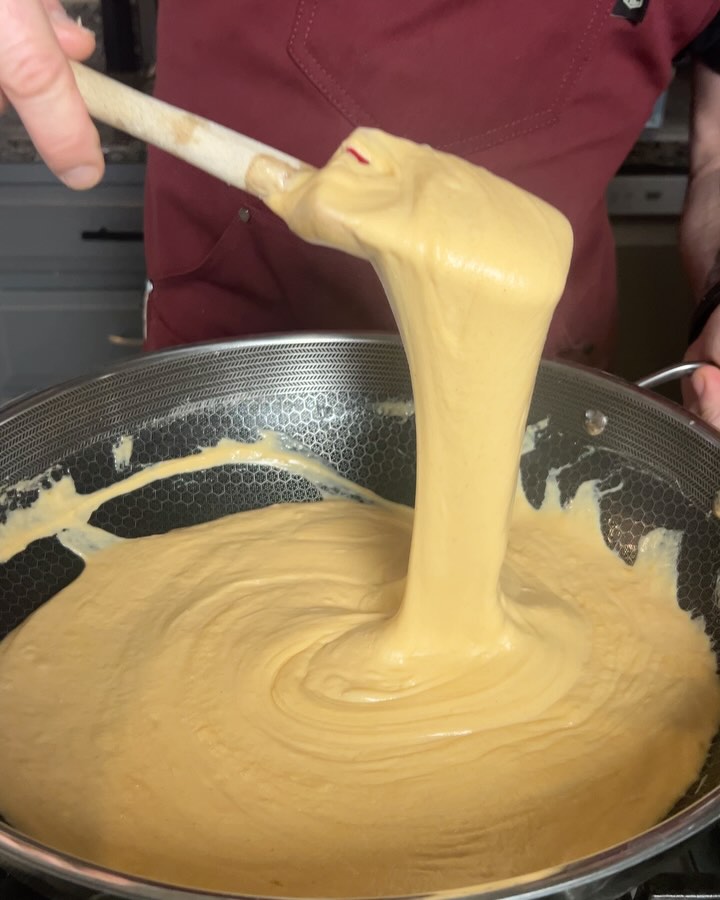
This is the exact way I make it at home. Follow these steps and you’ll get the same soft, glossy finish every time.
1. Cook the pasta
- Bring a pot of salted water to a boil.
- Add the corkscrew pasta and cook until al dente.
- Drain and set aside.
- The pasta keeps cooking in the oven, so stopping early protects the texture. King Arthur Baking gives the same advice for baked pasta dishes.
2. Start the roux
- Melt the butter in a deep pan over low heat.
- Add the flour and stir until the mixture turns pale golden and starts to smell warm.
- This step builds the backbone of the sauce.
3. Add aromatics and cream
- Stir in the minced garlic briefly until fragrant.
- Pour in the half and half and heavy cream while whisking.
- Keep whisking until the sauce starts to thicken.
4. Melt in the soft cheeses
- Add the softened cream cheese and sour cream.
- Stir until completely smooth.
- You’ll see the sauce turn glossy at this stage.
5. Add the shredded cheeses
- Lower the heat and add all the freshly shredded cheeses slowly.
- Stir in a gentle, steady motion so the cheese melts evenly.
- Fresh cheese blocks melt smoother than bagged shreds. Allrecipes explains why the anti-caking agents in packaged cheese prevent smooth melting.
6. Season the sauce
- Add chicken bouillon, garlic powder, onion powder, smoked paprika, mustard powder, salt, and pepper.
- Stir and taste before adjusting the seasoning.
- The sauce should taste bold and creamy.
7. Combine pasta and sauce
- Place the cooked pasta in a large baking dish.
- Pour the hot cheese sauce over it.
- Toss gently so every curl gets covered.
8. Bake
- Smooth the top with a spoon.
- Bake in a moderate oven until the edges bubble and the center still looks loose.
- You don’t want it to fully tighten inside the oven.
9. Rest the dish
- Remove from the oven and let it sit for 25 to 30 minutes.
- This rest period helps the sauce settle and hold shape without drying.
- The top stays creamy, not crusty.
10. Serve
- Scoop gently.
- The mac should spoon out in soft, molten layers with a glossy finish.
- Even after cooling, it should stay moist and tender.
Why Resting Time Makes a Difference
Pulling a baked dish from the oven feels like the finish line, but letting it rest is where the magic happens. This short pause gives the sauce time to settle and cling to the pasta without drying.
As the heat dips a little, the mixture thickens gently. The top stays creamy, and the center holds together without turning stiff.
When you slide in your spoon, you’ll feel that soft pull instead of a sticky layer. The texture stays smooth, and every bite carries that warm, molten feel you want from baked mac.
Give it the full rest, and you’ll notice the difference the moment you serve it.
Gentle Add-Ons and Small-Scale Twists
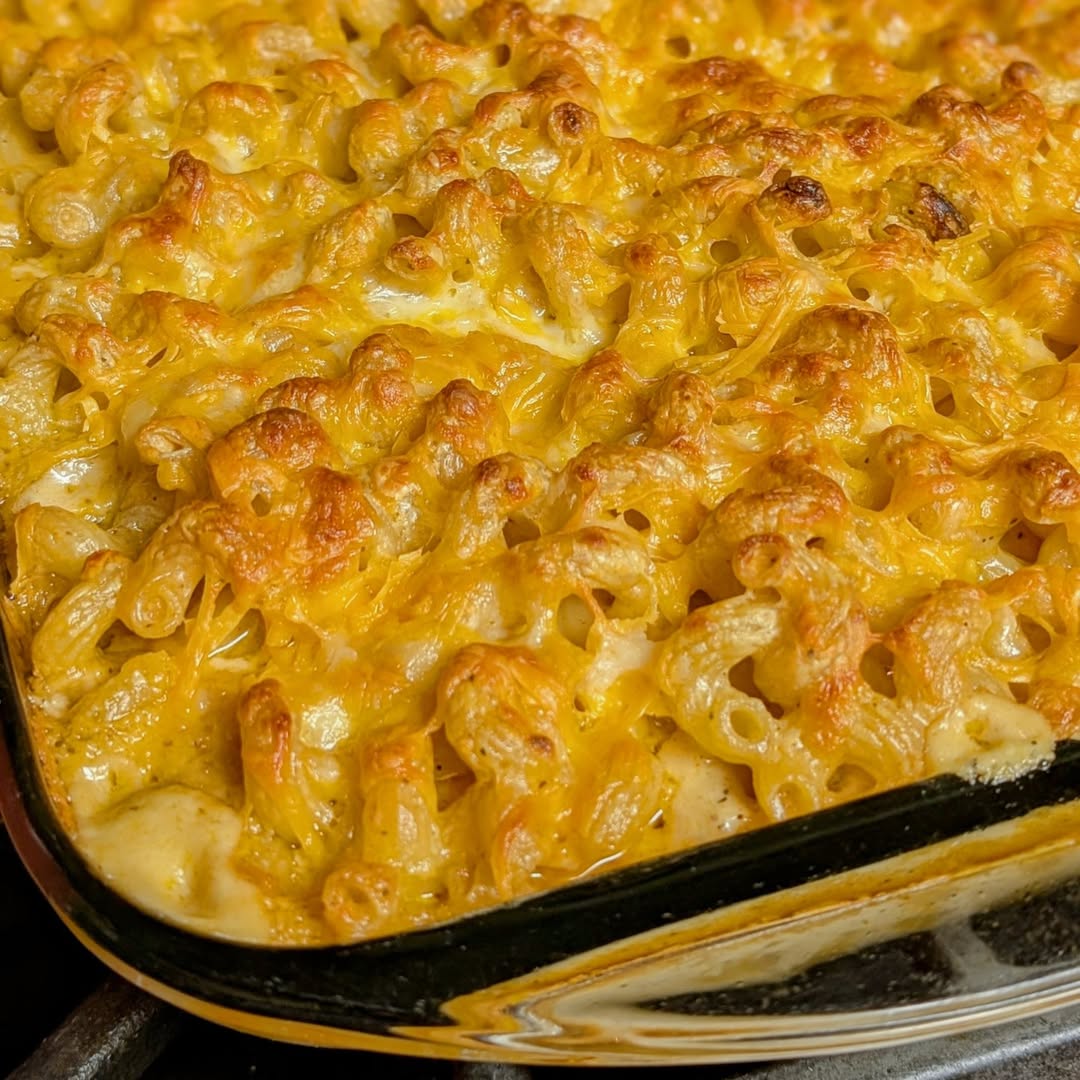
If you enjoy a bit of crunch, add a light sprinkle of panko or crushed crackers on top before baking. Keep it thin. A heavy crust pulls moisture from the pasta and sauce, so a delicate layer gives you texture without drying the dish.
If you want veggies, choose ones that hold shape. Blanched broccoli or roasted red peppers fold in nicely and bring color without watering down the sauce. Skip anything with high moisture because it thins the cream base.
Cooking for one or two? This recipe halves easily. Use a smaller dish and shorten the bake time slightly. The sauce keeps its creamy finish even in small batches, which helps if you’re cooking in a small space or prepping just enough for a quiet night.
These small choices let you adjust the dish without losing that soft, rich texture.
How to Store and Reheat Without Losing Creaminess
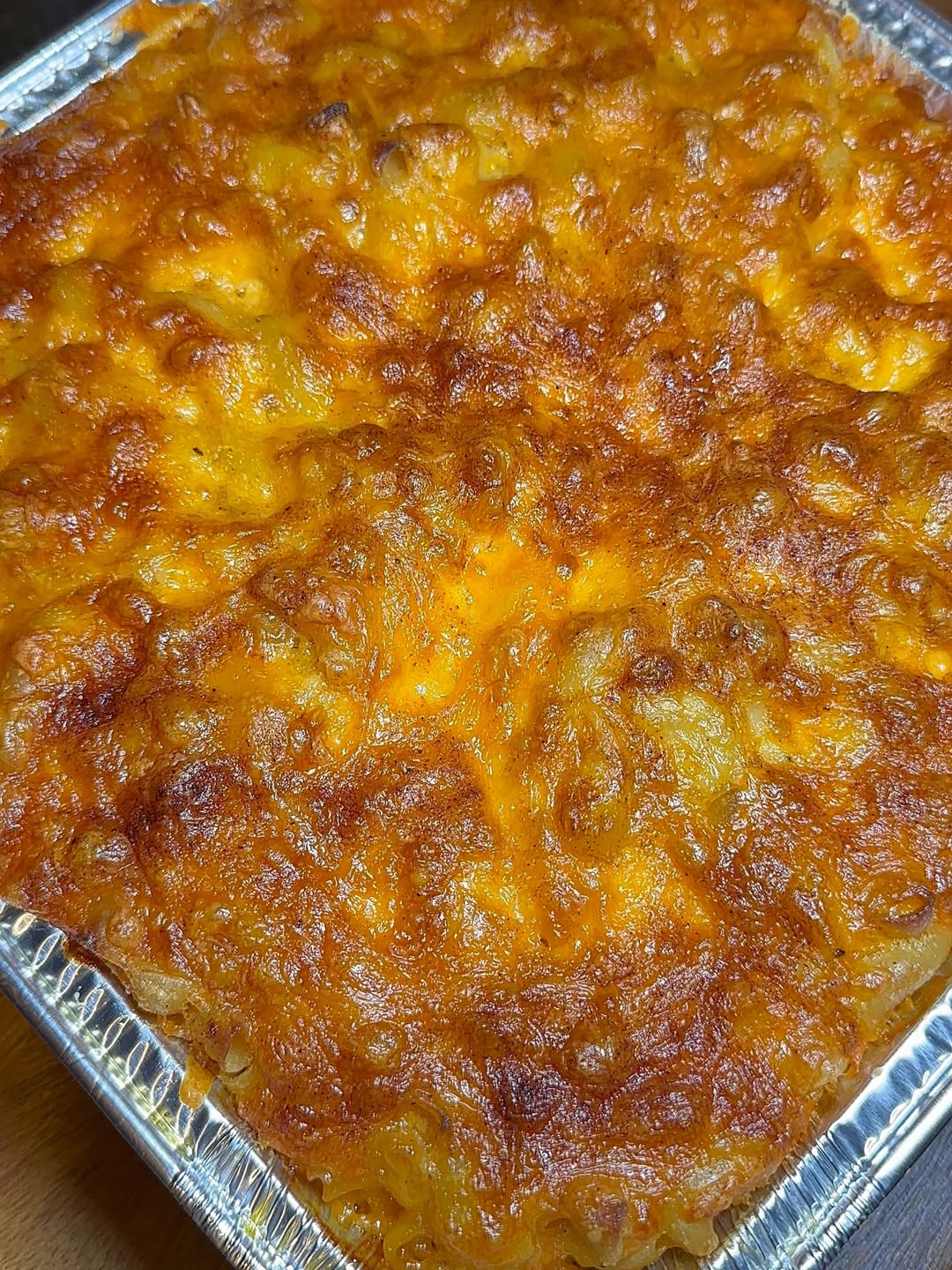
Leftovers stay soft if you store them well. Place the mac in an airtight glass container and keep it in the fridge for up to three days. The pasta holds its shape, and the sauce stays smooth.
When reheating, stir in a small splash of milk before warming it in the microwave or oven. Southern Living shares the same tip in its reheating guide. A little milk loosens the sauce and keeps it from turning grainy or dry as it warms.
Freezing works too. Freeze individual portions in freezer-safe containers without any crunchy topping. When you want a serving, thaw it in the fridge overnight. Add a touch of milk, warm it slowly, and the sauce returns to its soft, creamy state.
Once you learn this method, baked mac becomes an easy meal-prep dish you can enjoy again without losing its comfort.
Now that you know how to make this mac creamy from start to finish, you might still have a few quick questions before you get started. Here are the ones people ask the most.
FAQs about making Extra Creamy Mac and Cheese Recipe
Can I swap the cheese types?
Yes. Just stick to cheeses that melt well. Good choices include Gruyère, Monterey Jack, or mild cheddar. Try to keep at least one sharp cheese in the mix so the flavor stays bold.
Can I use regular milk instead of half and half?
You can, but the sauce will be lighter and may tighten in the oven. The mix of half and half and heavy cream creates the smooth texture that makes this version stand out.
How do I stop the cheese from turning grainy?
Keep the heat low when melting the cheese. Slow melting prevents separation. Freshly shredded cheese also melts better than packaged shreds.
Can I make this ahead of time?
Yes. Assemble the dish, cover it, and store it in the fridge for a few hours. Add a small splash of cream before baking so the sauce stays soft.
What size baking dish works best?
A medium or large casserole dish works well. A deeper dish gives a creamier center, while a shallow one creates more surface area.
Can I cut the amount of cream?
You can, but the dish may not stay as soft once it cools. If you want a lighter version, use more half and half and less heavy cream.
Can I freeze leftovers?
Yes. Freeze individual portions without toppings. When reheating, add a splash of milk and warm slowly so the sauce returns to its creamy state.
Final Words from Leanne
If you’ve ever pulled a pan of baked mac from the oven and felt that moment of worry — wondering if it will stay creamy or turn dry — you’re not alone.
I’ve had that same pause, hoping the first scoop would give a soft, molten pull instead of a stiff block. This version finally gives the texture you expect. The sauce settles just right, the pasta stays tender, and every bite tastes like real comfort.
And if you’re reading this and thinking, “I want my mac to look like that too,” you can. The steps are simple once you see how they work together.
When you make your batch, come back and tell me how it turned out. I’d love to hear what you added, what cheese blend you picked, or how your family reacted. Your twist might inspire someone else trying this for the first time.