
One-Pan Honey Garlic Salmon (Sticky, Glazed, and Easy)
One-pan honey garlic salmon is the kind of dinner we come back to again and again because it hits that rare balance between ease and indulgence. It feels special without demanding extra time, extra dishes, or extra planning. The salmon turns glossy and caramelized on the outside, stays tender inside, and gets wrapped in a sticky glaze that feels rich and comforting from the very first bite.
What makes this recipe stand out is how naturally everything comes together in a single skillet. We season the salmon, build the sauce right in the pan, and let the heat do the rest. Honey melts into butter and garlic, blending with soy sauce and lemon juice to form a glaze that thickens as it cooks.
This sweet-savory combination is widely loved, and Delish highlights this exact balance of honey, soy sauce, garlic, and citrus as the foundation of a classic sticky honey garlic salmon glaze, which explains why it works so reliably at home.
As the salmon simmers and finishes under the broiler, the sauce clings to the surface, turning deep amber and slightly syrupy without becoming heavy. Finishing under high heat helps the glaze bubble and darken just enough, a method The Chunky Chef uses to achieve that glossy, caramelized finish without drying out the fish.
This dish works on many levels. It’s quick enough for a weeknight, polished enough for guests, and reliable enough to become part of a regular rotation. Once we’ve made it once or twice, the process feels intuitive and the timing becomes second nature.
It also looks as good as it tastes. The shine of the glaze, the lightly crisped edges, and the rich color of the salmon give it a restaurant-inspired feel, even though it comes together at home with minimal effort.

Common Challenges and Troubleshooting
Cooking salmon can feel intimidating, even in a simple recipe. One of the most common issues is sticking. This usually happens when the skillet isn’t hot enough before the salmon goes in. Letting the pan fully heat and adding the fish gently helps it release on its own once it’s ready.
The glaze needs attention as well. Honey can darken quickly if the heat stays too high for too long. Keeping the temperature steady and watching the sauce closely prevents it from going too far. If the glaze starts to look too dark, lowering the heat briefly keeps everything under control without stopping the cooking process.
Overcooking is another concern. Salmon cooks fast, especially under a broiler. Visual cues help here. The flesh should look opaque and flake easily while still appearing moist. Staying nearby during the final minutes helps protect that tender texture.
If the sauce feels thin, letting it bubble briefly before adding the salmon helps it thicken naturally. RecipeTin Eats explains that honey-based sauces reduce and tighten as they cook, which is what creates that sticky, spoon-coating glaze, making patience part of the process. If it tightens too much, a small splash of water loosens it back into a smooth finish.
Selecting the Right Ingredients
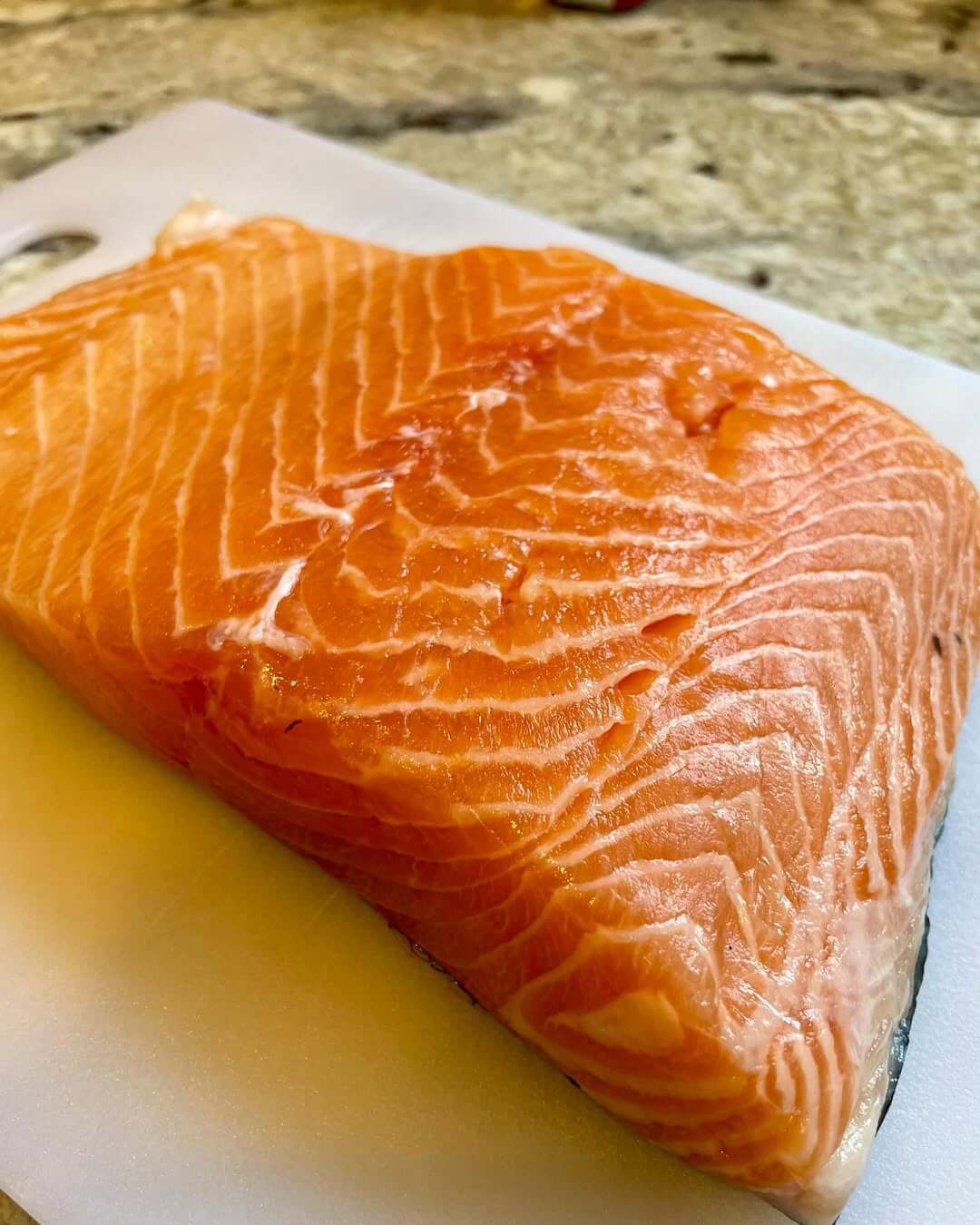
With a focused ingredient list, quality matters. Salmon is the centerpiece, so choosing fillets with firm flesh and a fresh scent makes a difference. Skin-on salmon works especially well because it protects the fish during cooking and adds flavor, even if the skin isn’t eaten.
Honey brings sweetness and helps create that signature sticky finish. A lighter honey keeps the glaze balanced rather than overpowering the garlic. Soy sauce adds savory depth, while lemon juice keeps the glaze from feeling heavy.
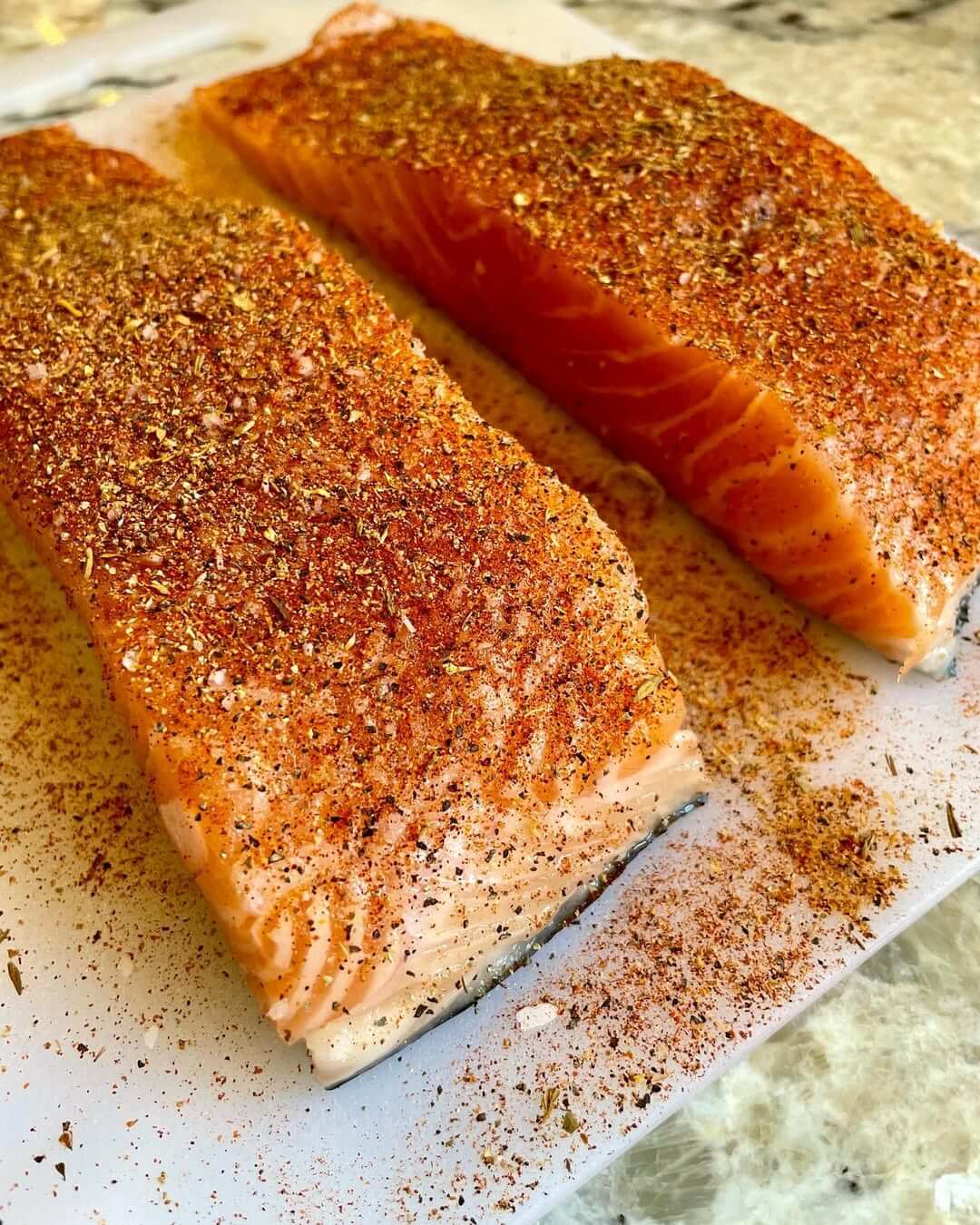
Garlic provides warmth and aroma as it cooks gently in butter. Butter adds richness, while olive oil keeps it from browning too fast. Smoked paprika and blackening seasoning give the salmon color and subtle heat. If blackening seasoning isn’t available, a mix of paprika, garlic powder, and onion powder works just as well.
Equipment Essentials
A large oven-safe skillet is the most important tool for this recipe. Cast iron or heavy stainless steel both hold heat evenly and move smoothly from stovetop to broiler.
A sturdy spatula helps baste the salmon without breaking it apart. Measuring spoons keep the sauce balanced, especially with bold ingredients like soy sauce and sriracha. Making sure the skillet handle can handle broiler heat avoids last-minute scrambling.
This minimal setup is part of the appeal. Simple Home Edit points out that cooking honey garlic salmon in one pan allows the sauce to caramelize directly around the fish, creating a sticky coating without extra steps or equipment.

Preparation and Strategy
This recipe moves quickly once the pan is hot, so having everything measured and ready keeps the process calm. Patting the salmon dry first encourages better browning and helps the seasoning stick evenly.
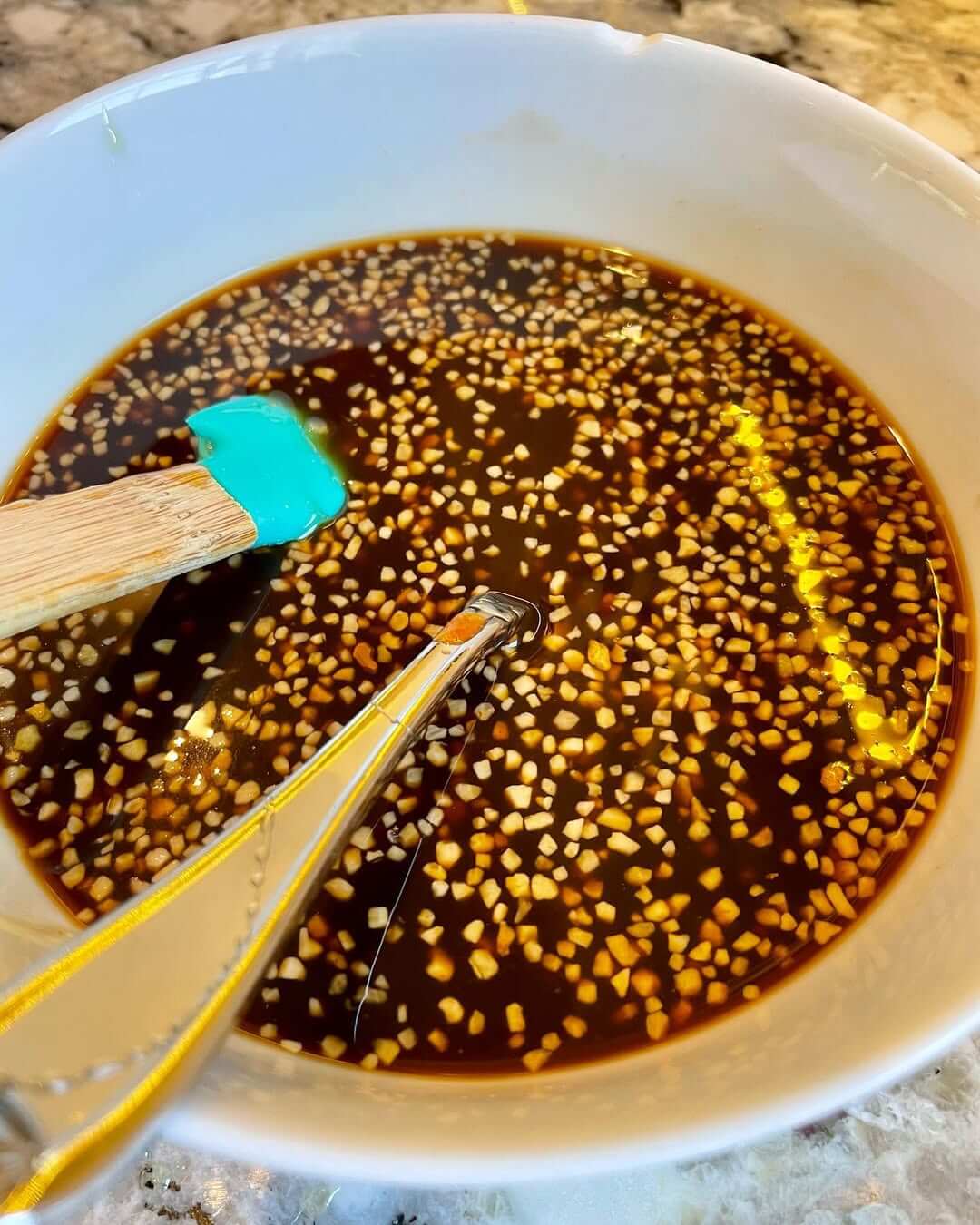
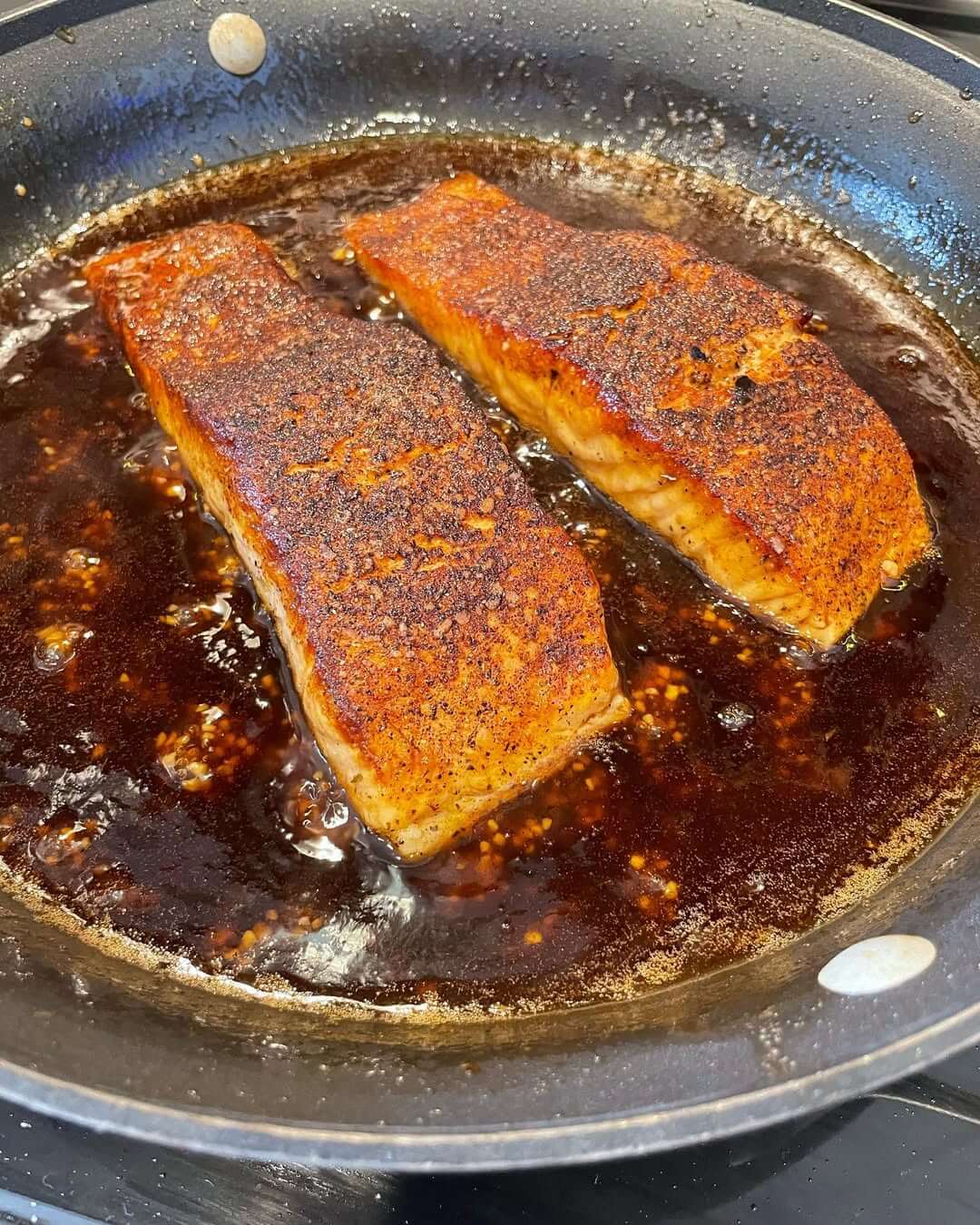
Building the sauce in the same pan keeps flavors layered and cohesive. As the salmon cooks, spooning the glaze over the top helps it absorb flavor and develop that glossy surface.
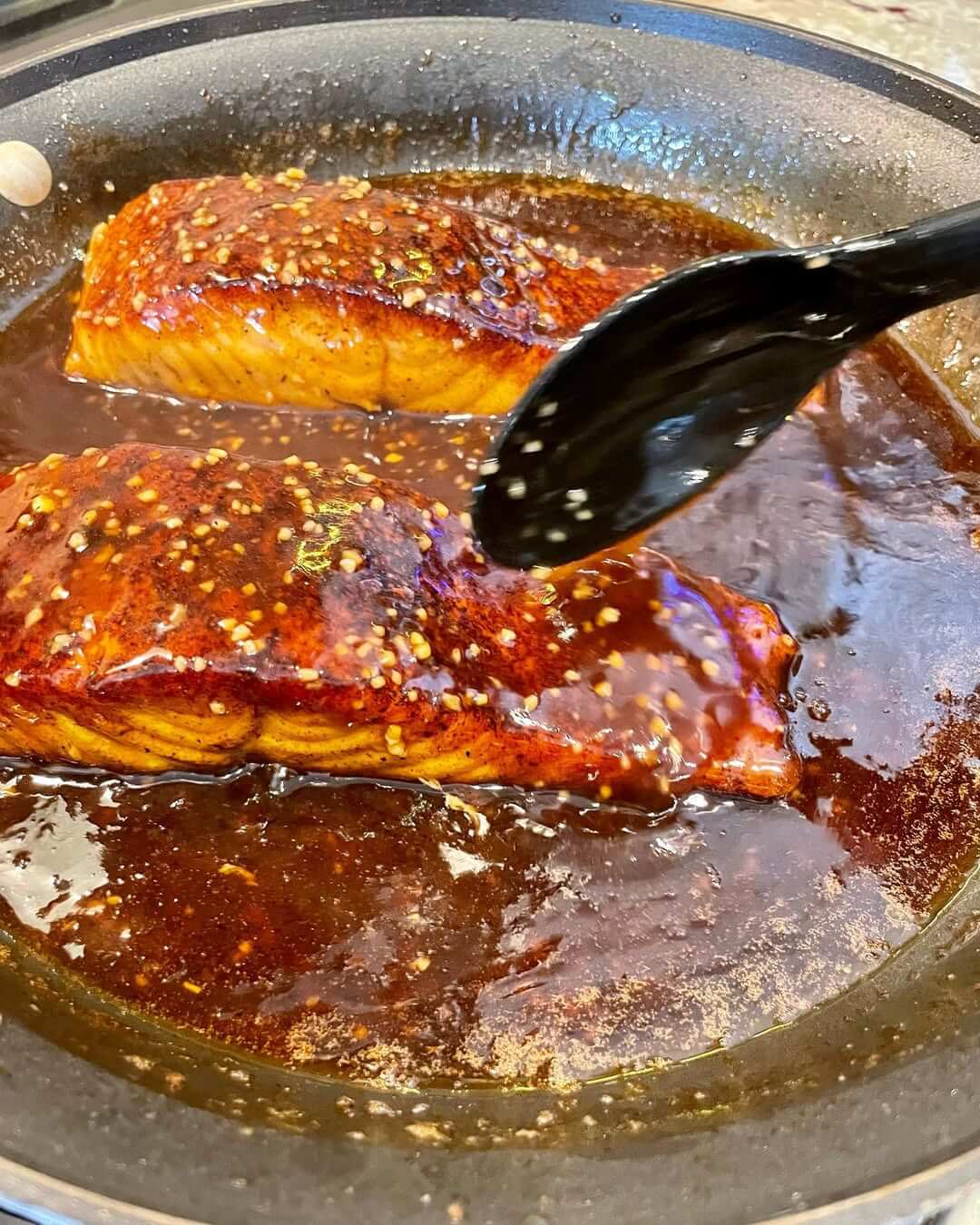
The broiler step is short but powerful. Moving the pan close to the heat allows the glaze to bubble and caramelize, giving the salmon its final sticky finish without drying it out.
Flavor and Texture Enhancements
This recipe adapts easily to personal taste. Red pepper flakes add heat. Extra lemon juice brightens the glaze just before serving. Sesame seeds add light crunch and visual contrast.
Letting the sauce simmer a bit longer before adding the salmon creates a thicker glaze. Regular basting builds layers of flavor and shine.
Substitutions and Dietary Options
Tamari or coconut aminos work well in place of soy sauce for gluten-free cooking. Maple syrup can replace honey for a slightly different sweetness. Leaving out the sriracha keeps the dish mild without changing the texture.
This glaze also works beautifully with trout or Arctic char, with small timing adjustments.
Ingredients
Salmon
- 4 salmon fillets, about 6 oz each (170 g each)
- ½ tsp kosher salt
- ½ tsp black pepper
- ½ tsp smoked paprika
- ¼ tsp blackening seasoning
(or substitute with paprika, garlic powder, and onion powder)
Honey Garlic Glaze
- 3 Tbsp butter
- 2 tsp olive oil
- 6 garlic cloves, minced
- ½ cup honey (120 ml)
- 3 Tbsp water
- 3 Tbsp soy sauce
- 1 Tbsp sriracha
- 2 Tbsp lemon juice
Instructions
- Pat the salmon fillets dry with paper towels. Season both sides with salt, pepper, smoked paprika, and blackening seasoning.
- Adjust the oven rack to the middle position and preheat the broiler.
- Heat a large oven-safe skillet over medium-high heat. Add butter and olive oil.
- Once the butter melts, add garlic, water, soy sauce, sriracha, honey, and lemon juice. Stir and cook for about 30 seconds until warmed and fragrant.
- Place the salmon in the pan, skin-side down. Cook for 3 minutes, spooning sauce over the top as it simmers.
- Transfer the skillet to the oven and broil for 5 to 6 minutes, basting once during broiling, until the salmon is caramelized and flakes easily.
- Remove from the oven and let rest briefly before serving.
FAQs About One-Pan Honey Garlic Salmon
Can I use frozen salmon?
Yes, as long as it’s fully thawed and patted dry.
Does the salmon need to be skin-on?
Skin-on helps with cooking, though skinless fillets work too.
Can I make this less sweet?
Reducing the honey slightly balances the glaze.
Is the broiler step required?
It creates the sticky finish, though the salmon can finish on the stovetop if needed.
Troubleshooting Tips
- Salmon sticking: Make sure the pan is hot before adding the fish.
- Glaze too dark: Lower the heat briefly while simmering.
- Dry salmon: Shorten the broil time and watch closely.
- Thin sauce: Simmer the glaze a bit longer before adding salmon.
Serving Suggestions
Serve this salmon with rice, roasted vegetables, or steamed broccoli. Simple sides work best for soaking up the extra glaze. A squeeze of fresh lemon before serving brightens the plate.
Variations and Comparisons
This dish sits between pan-seared salmon and oven-roasted salmon, offering the best of both. Adding ginger shifts the flavor profile, while swapping soy sauce for teriyaki brings a sweeter edge.
Storage and Reheating Instructions
Store leftovers in an airtight container in the fridge for up to two days. Reheat gently in a skillet over low heat to keep the salmon moist and the glaze glossy.
Also read:
One-Pot Creamy Tomato Pasta Ready in 20 Minutes
Dump-and-Bake Chicken Alfredo Pasta (The Easiest Version Ever)