
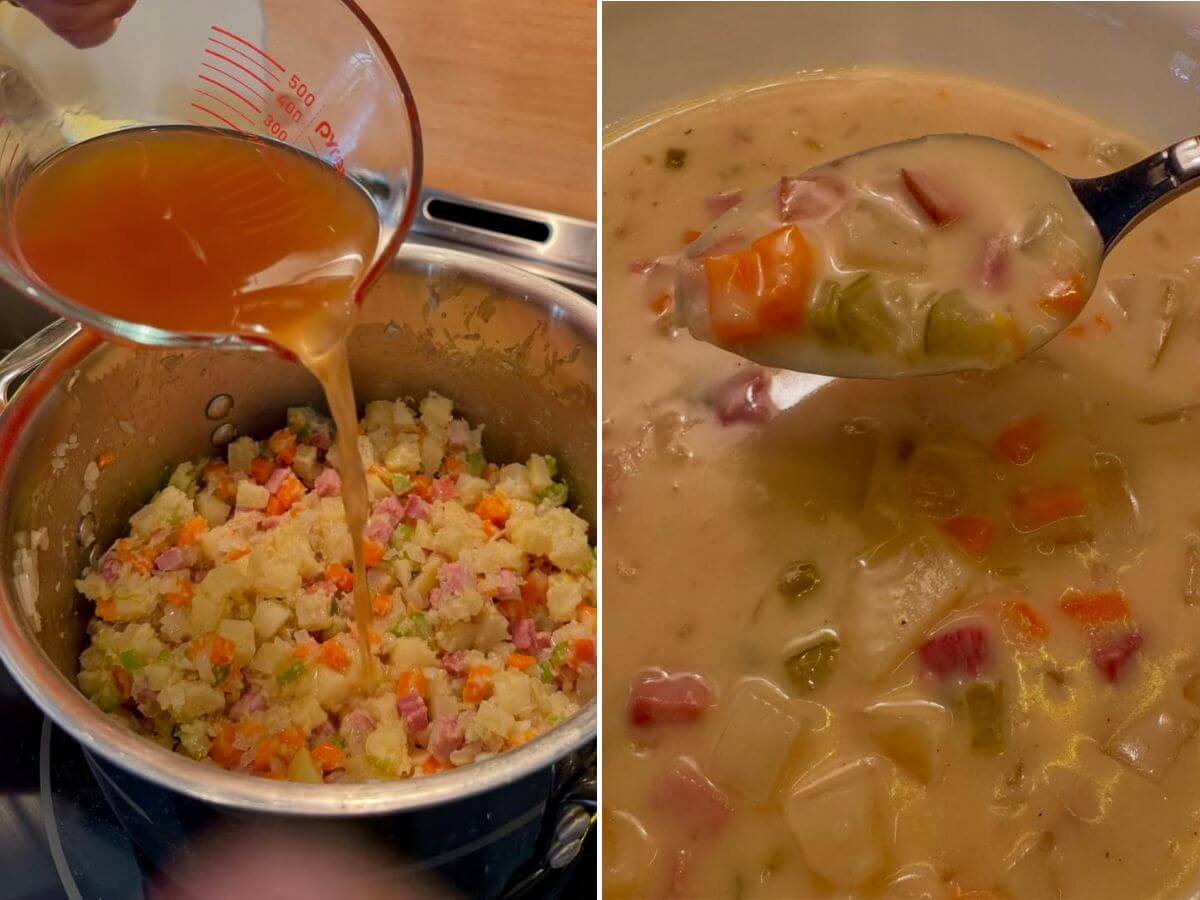
This Easy Potato Soup Warms You Up in Minutes
Some days I want a bowl that feels like a hug, and potato soup always hits that mood. It cooks fast, settles the mind after long hours, and turns simple ingredients into something cozy.
You’ve probably had nights like that too, when the weather dips or you’re craving a little calm after a long day. A warm bowl waiting on the stove feels like the pause you didn’t know you needed.
That’s why this potato soup stays in my rotation. It’s simple, it’s steady, and it gives you comfort in minutes without asking much from you.
If you want another cozy bowl for weeknights, try my Simple High Protein Soup Meals You Can Make Fast.
Stick with me and you’ll see how small steps and smart choices turn this into a go-to meal you can count on anytime.
Why Potato Soup Fits Into Busy Life

Potatoes save me on days when I feel drained and want something warm without fuss. They soften fast, soak up flavor quickly, and their natural starch brings a creamy finish while the soup simmers.
You can let the pot bubble while you slip into comfortable clothes, check messages, or settle into the couch. When you’re hungry and tired, this bowl fits right into that moment.
Food By Maria explains that high-starch potatoes like russets or all-purpose baking potatoes bring thickness without extra ingredients because of their low moisture and high starch content, helping the soup turn velvety with minimal work.
Understanding this helps you make quick choices in the kitchen and sets you up for easy prep.
How I Prep Potatoes When Time Is Tight
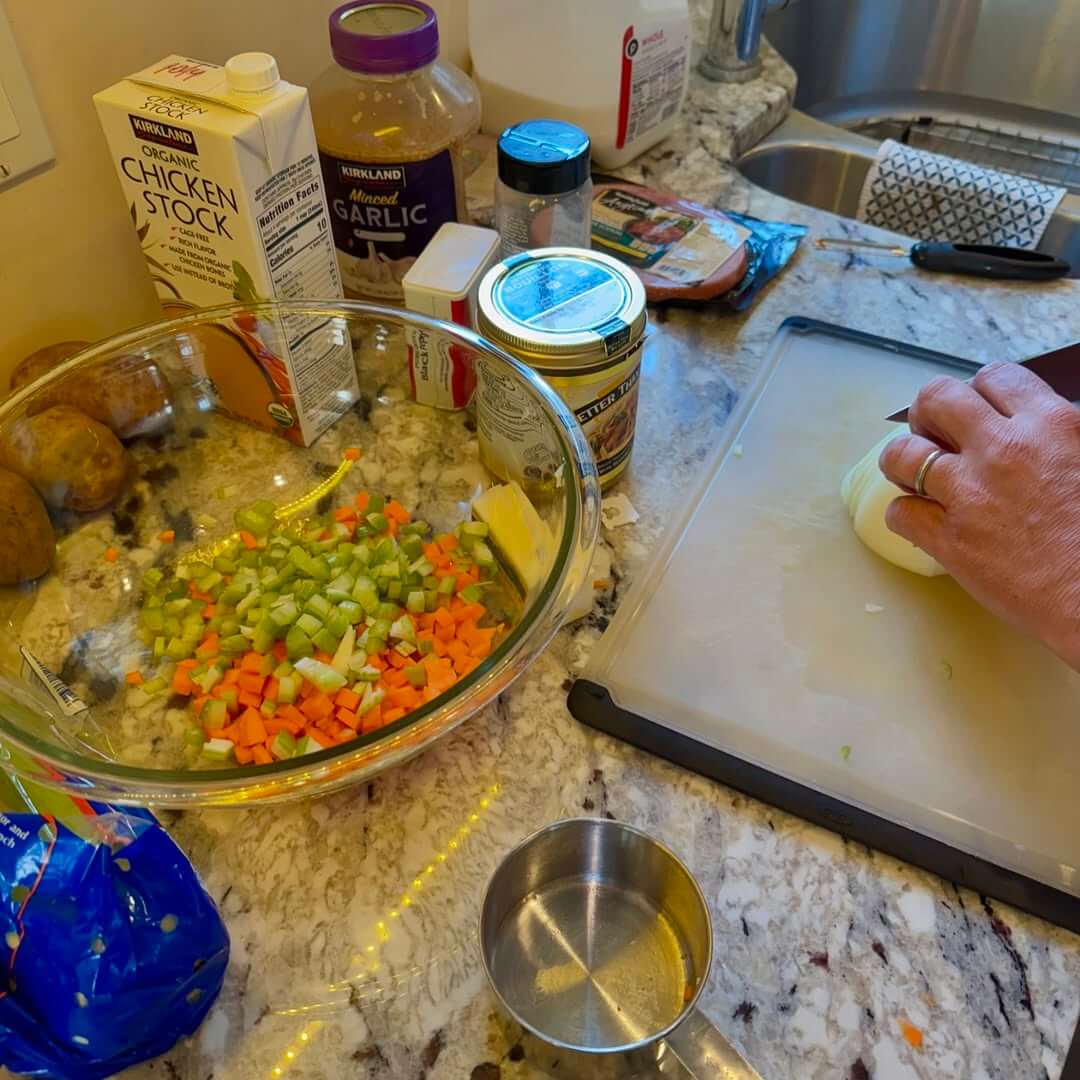
If I want a smooth bowl, I reach for russets. When I want a little texture, Yukon Gold does the job. On nights when time feels short, I scrub the potatoes and skip peeling.
The skin softens and deepens the flavor, which fits perfectly when you want something cozy and grounding.
You’ll know the potatoes are ready when the edges turn slightly translucent and the steam carries a warm, earthy scent.
Here is why that matters. Letting your senses guide you makes the whole process more natural.
A small trick that saves me time is chopping the potatoes earlier in the day and storing them in cold water. It helps when you walk through the door hungry and want to start cooking right away.
With the potatoes prepped, the next step builds the flavor that makes this soup feel like it simmered all afternoon.
If you enjoy warm, comforting bowls, you might also like my Easy Butternut Squash Soup Recipe Anyone Can Make.
The Flavor Base That Makes It Feel Slow-Cooked

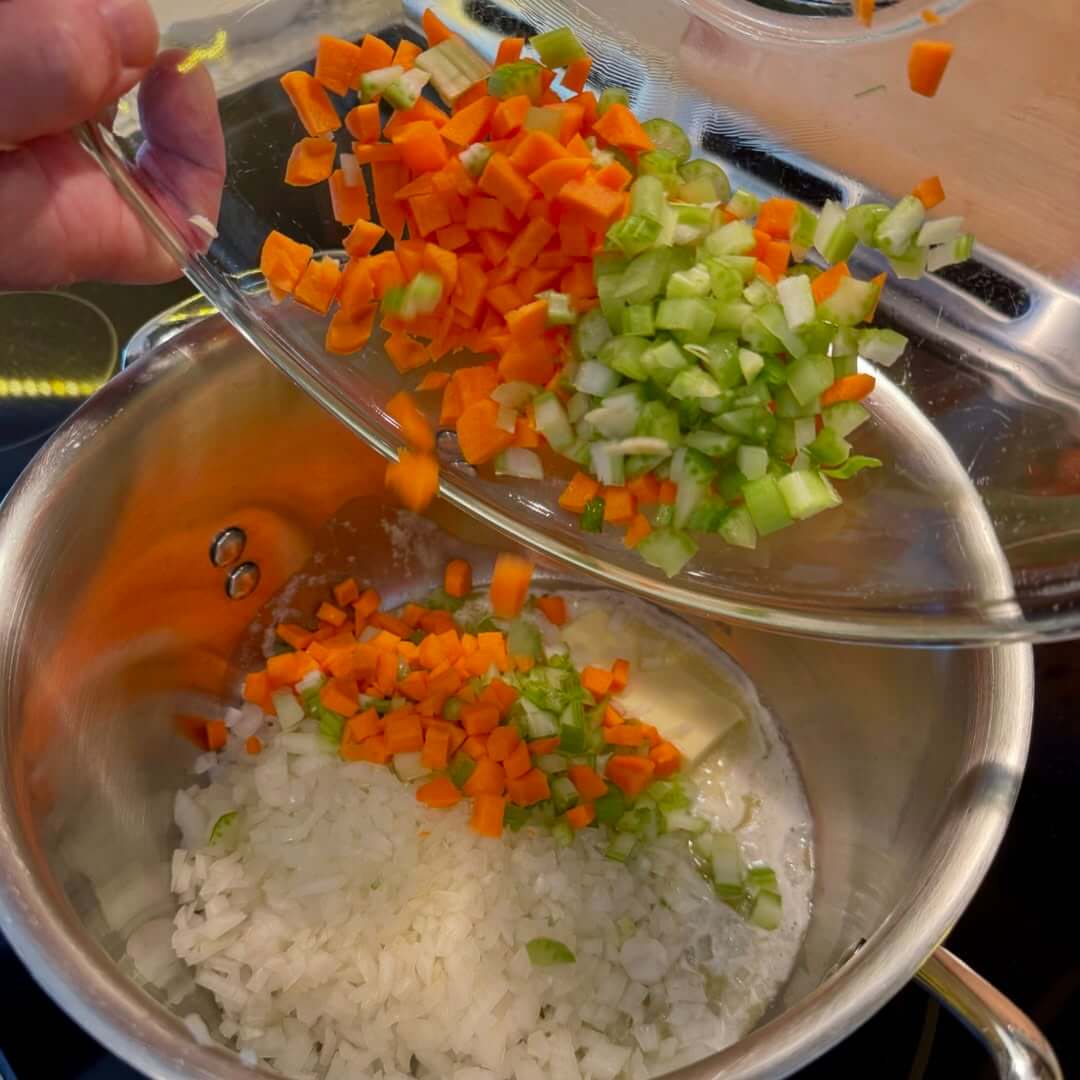
A good base sets the tone for the whole soup. I warm a little butter or oil, add onions, and let them soften until they smell sweet and mellow.
When the garlic hits the pan, the whole kitchen fills with a gentle aroma that makes the space feel calmer.
Those golden bits at the bottom of the pot loosen when the broth touches them, giving the soup a deeper flavor.
Once the vegetables soften and the scent shifts from sharp to gentle, you’ll know it’s time for the potatoes. This creates a smooth transition into building the body of the soup.
How I Make This Easy Potato Soup
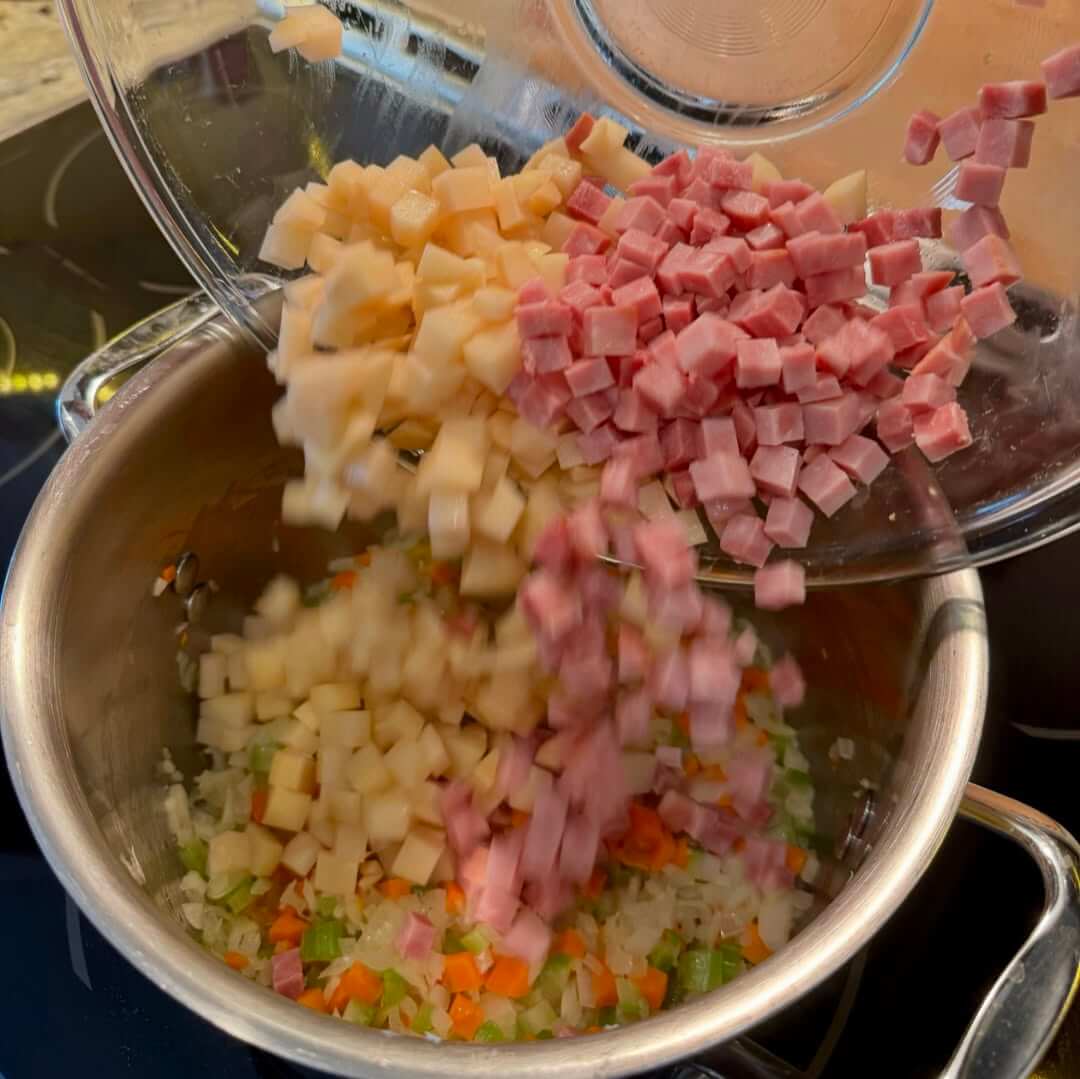
Once the base smells warm and inviting, I pour in broth and add the potatoes. The liquid begins thin, almost like a light stock, but that changes fast. As the potatoes soften, they release starch and thicken the broth.
MasterClass explains that potato starch acts as a natural thickener at any stage of cooking, which is why the soup gets creamier as it bubbles.
I stir often so nothing sticks. When the bubbles slow and heavier ribbons fall from the spoon, you’re close.
The steam usually smells buttery at this point, which is when I mash a few potatoes or blend a small portion for a softer finish.
With the base set, it’s time for the full recipe.
Step-By-Step: Easy Potato Soup
Ingredients
- 3 large russet potatoes
Scrubbed or peeled. They break down quickly and help the soup turn naturally creamy. - 1 medium yellow onion
Chopped small so it melts into the base. - 2 garlic cloves
Minced to release a warm aroma. - 2 tablespoons butter or olive oil
Helps the vegetables soften and adds gentle richness. - 4 cups broth
Chicken or vegetable. Enough to cover the potatoes fully. - 1 cup milk or cream
Brings smoothness without making the soup heavy. - Salt and pepper
Add slowly so the flavor stays balanced. - Optional add-ins
Corn, carrots, spinach, cheese, beans, ham cubes, bacon bits, herbs—whatever fits your mood.
Steps
1. Warm the pot
- Set a medium pot over medium heat.
- Add butter or oil.
- Wait until it melts and gives off a soft, warm scent.
If you’re cooking after work, this moment always feels grounding.
2. Soften the onions
- Add the chopped onion.
- Stir until they turn soft and slightly golden.
- The sharp smell fades into something sweet and mellow.
3. Add the garlic
- Add the minced garlic.
- Stir for 30 seconds until it smells warm and gentle.
- Pull back the heat if it browns too fast.
4. Add the potatoes
- Add the chopped potatoes.
- Stir so they pick up the onion and garlic flavor.
- Their edges turn slightly glossy as they heat.
5. Pour in the broth
- Add broth until the potatoes are fully covered.
- Give a slow stir.
- Soft, earthy steam rises from the pot.
6. Simmer until tender
- Bring the pot to a light simmer.
- Cook until the potatoes are soft enough to break with a fork.
- The broth begins to thicken from the starch.
7. Thicken the soup
- Mash some of the potatoes right in the pot.
- Each mash releases more starch and adds creaminess.
- Blend a small portion if you want a smoother feel.
8. Add milk or cream
- Pour it in slowly while stirring.
- The soup shifts to a pale, creamy shade.
- It should feel silky when you drag your spoon through it.
9. Season slowly
- Add salt a little at a time.
- Taste between pinches so it stays balanced.
- Add pepper to your liking.
10. Adjust the texture
- Add warm broth if it feels too thick.
- Mash a bit more potato if you want a firmer body.
- Look for a texture that moves slowly on the spoon.
11. Add your toppings or mix-ins
- Stir in corn, spinach, cheese, beans, or anything you enjoy.
- Let them warm for a minute so the flavors settle.
12. Serve warm
- Ladle into bowls while it’s steaming.
- Add herbs, cream, or cracked pepper on top.
- Pair with warm bread or a toasted sandwich.
Adjusting Texture Based on Mood

Some nights I want soft chunks of potato in every bite. Other nights I want a silky bowl that feels like a blanket in a mug.
You’ll know the soup is close to your preferred texture when the spoon moves through it with a gentle pull.
Serious Eats explains that starch granules swell and burst as they heat, thickening the liquid and continuing to firm up as the soup cools.
That’s why the texture shifts after resting. If it thickens too much, a splash of warm broth smooths it out right away.
When You Want Variety
Potato soup shifts easily based on what you’re craving. Some weeks I add corn for sweetness. Other days I stir in spinach for color.
If I want more protein, I add cooked beans. Even a spoon of sour cream or shredded cheese mixes in easily.
Let your mood guide you. A soup that bends to your cravings becomes something you reach for more often.
How This Soup Works for Meal Prep
If you plan ahead for the week, this soup fits right in. I store it overnight because the flavor deepens as it rests. When reheating, I add a splash of broth or water if the texture thickens too much.
The University of Nebraska–Lincoln notes that soups often taste better the next day and recommends eating refrigerated soup within three to four days or freezing it, while reminding home cooks not to leave soup at room temperature for more than two hours.
These small habits help the soup fit into busy weeks without stress.
Small Touches That Make It Feel Special
A sprinkle of fresh parsley brightens the bowl. A crack of pepper adds a gentle lift. A swirl of cream turns it cozy. Add warm bread or a toasted sandwich on the side, and the meal feels complete.
These touches matter on cold nights or after long hours. They remind you that simple food can still feel comforting.
Avoiding Common Soup Mistakes
Potato soup thickens as it simmers, so seasoning can creep up fast. I add salt slowly and taste as I go. If you blend too long, the texture may turn gummy, so I use short pulses.
And if your pot is thin, keep the heat lower to avoid scorching.
Once you learn these small checks, the soup becomes something you can make without thinking.
And if you’re building your weekly meal plan, my Simple High Protein Soup Meals fit right beside this recipe.
FAQs About Potato Soup
Can I use a different type of potato?
Yes. Yukon Gold works well and brings a warm, buttery color. The texture stays smooth even with the skin left on.
How do I thicken my soup without flour?
Mash a few potatoes in the pot or blend a small scoop and stir it back in.
Does potato soup freeze well?
It does, but leave out the dairy if you plan to freeze it. Add milk or cream after reheating.
Can I make a dairy-free version?
Yes. Coconut milk adds richness, while almond milk keeps it lighter.
How long do leftovers keep?
Stored in the fridge, the soup stays good for three to four days. Add a splash of broth while reheating if it thickens too much.
Conclusion
Potato soup has a way of softening even the longest day. It’s simple to prepare, easy to shape around what you have, and comforting in a way that always feels welcome.
If you try this recipe, I’d love to hear how it turned out for you.
Drop a comment below and share your version so others can get inspired too.
Looking for more cozy soups?