Quick and Delicious High Protein Vegetarian Recipes
I used to think fast vegetarian meals would leave me hungry an hour later. I’d put together something simple after a long day, sit down with my bowl, and realize it barely carried enough protein to keep me going.
The same pattern kept repeating itself, and it pushed me to look closer at how to build high protein vegetarian recipes that actually satisfy.
If you’ve ever felt the same, you’re in good company. The truth is, you can put together quick vegetarian meals that taste rich, feel hearty, and carry you through the busiest days without extra effort.
That shift started for me when I slowed down and noticed how the ingredients already sitting in my kitchen could bring far more strength to a plate than I expected.
Once I figured out which foods made a real difference — beans that simmer soft, tofu that crisps fast, yogurt that turns into a creamy base — everything changed.
Cooking became easier, my meals kept me full longer, and my evenings felt calmer because prep didn’t take much time.
So if you’re looking for vegetarian meals that come together quickly and still deliver solid protein, this guide walks you through recipes you can make tonight and the simple moves that help each dish feel balanced.
These tips work whether you cook in a spacious kitchen or a small apartment setup. Let’s start with what brings power to a vegetarian plate.
Why Protein Matters in a Vegetarian Kitchen
Many people assume a strong protein plate requires meat, but that’s not the case. According to Harvard Health, “plant foods can easily provide all the protein you need, and without the saturated fat found in animal proteins.”
Once I learned how much power sits inside beans, lentils, tofu, yogurt, and nuts, my meals started to feel fuller and more grounded.
MyPlate explains that the Protein Foods group includes beans, peas, lentils, nuts, seeds, and soy products, which means these everyday ingredients carry the weight of a protein-rich meal. When you use them as the base, your plate shifts from “just veggies” to something that keeps your energy steady.
And the science behind fullness adds another layer of reassurance. A review on PubMed found that there is convincing evidence that a higher protein intake increases thermogenesis and satiety compared to diets of lower protein content.
That means protein-rich meals can help you feel satisfied longer and support your appetite through the rest of your day.
Once you know which ingredients naturally carry more protein, you can build fast vegetarian meals that actually stay with you.
And the simplest way to start is to fill your kitchen with the foods that make weekday cooking easier.
A Simple Way to Build High-Protein Vegetarian Meals Fast
If cooking ever feels complicated, simplify it by keeping a small “protein pantry.” These ingredients work in almost any recipe and don’t require special tools or long prep.
Beans, lentils, nuts, seeds, and soy products hold up well in storage, so you can reach for them anytime you need dinner in a hurry.
I found that once these lived on a single shelf in my kitchen, my meals became smoother and quicker to prepare.
Here’s what this looks like in real life:
- Cook lentils once and use them for two or three meals.
- Keep tofu marinating in the fridge so it crisps fast.
- Use Greek yogurt as a base for sauces or wraps.
- Add nuts or seeds when you want an extra push of protein.
These ingredients take up little space, work in tight kitchens, and give you a steady foundation for weeknight cooking.
And now, with that foundation in place, let’s step into the fast meals you can make right now.
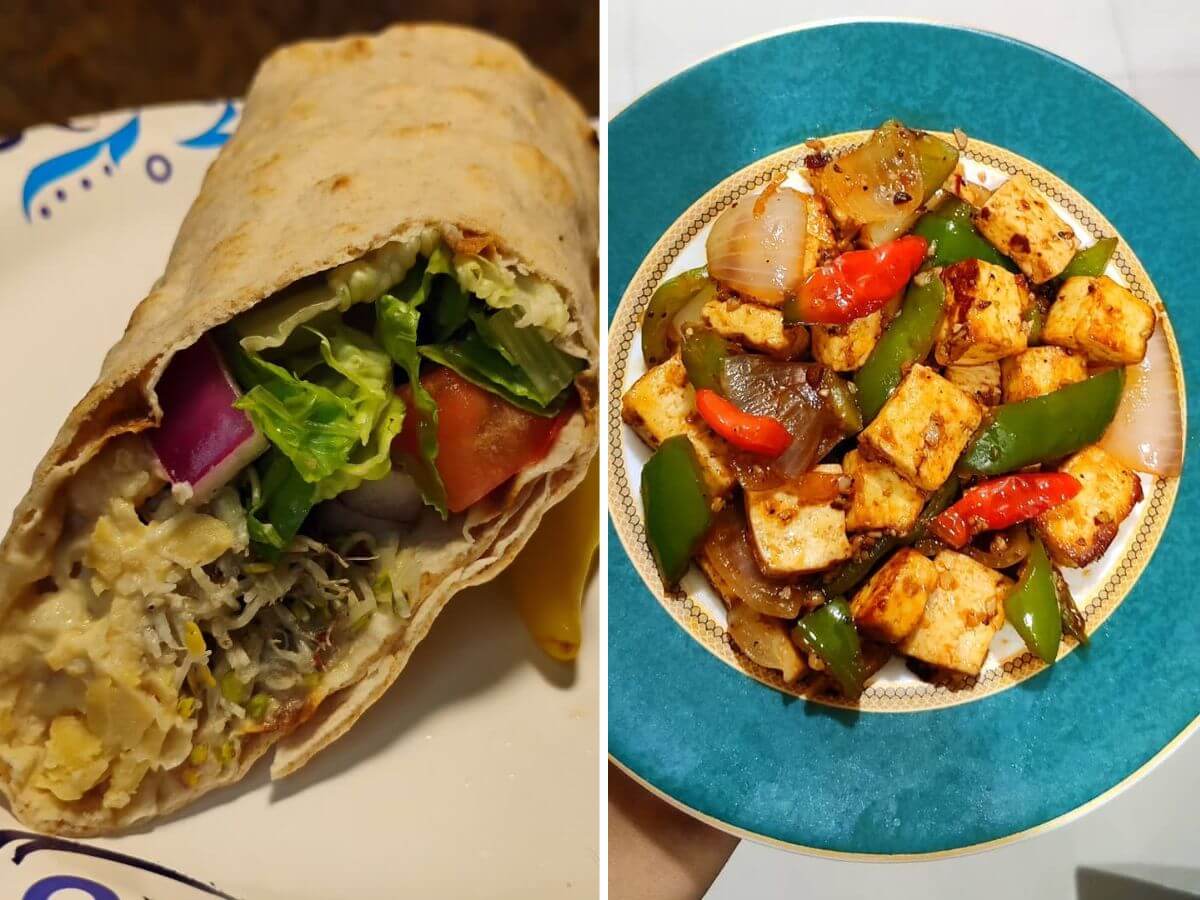
Creamy Greek Yogurt Chickpea Salad Wrap
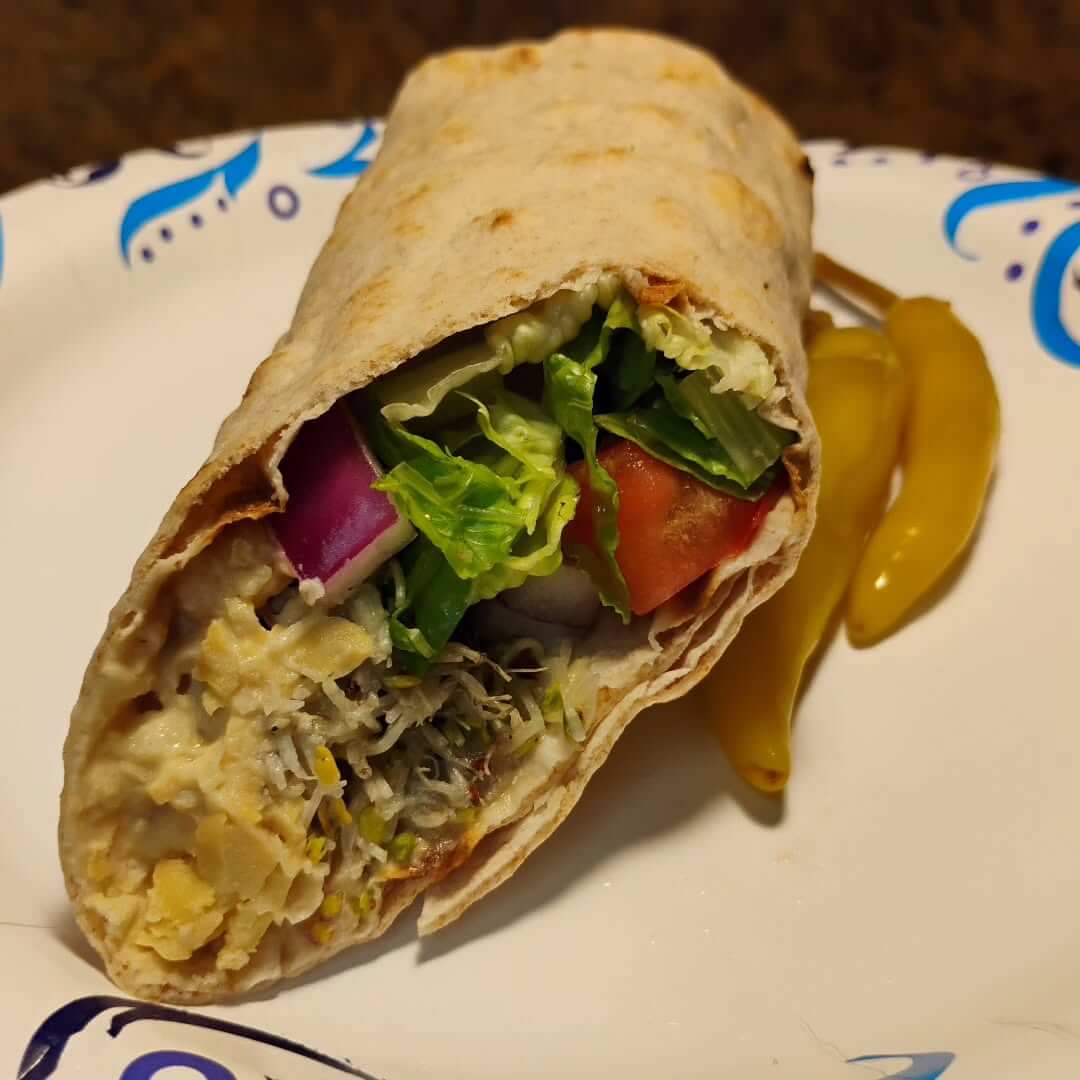
10 minutes, no stove needed
This wrap has saved me on many tired nights. It’s fresh, filling, and feels like something you’d make for someone you care about.
Ingredients
Chickpeas, Greek yogurt, lemon, salt, pepper, olive oil, chopped cucumber, chopped herbs, whole-grain wrap.
Greek yogurt brings real strength here. Healthline notes that yogurt provides almost 13 grams of protein per cup, with Greek yogurt reaching nearly 20 grams per 7 ounces.
That’s why this wrap leaves you feeling steady instead of empty.
Instructions
Mash chickpeas until they look chunky. Add yogurt, lemon juice, salt, pepper, and olive oil. It should smell bright and creamy. Fold in cucumber and herbs. Spread on a wrap and roll. If the wrap cracks, heat it for a few seconds first.
Spicy Paneer Stir Fry with Peppers

12–15 minutes
Paneer cooks quickly and tastes comforting, especially on nights when you want a warm meal without much thought.
Ingredients
Paneer cubes, bell peppers, onion, garlic, chili flakes, soy sauce or tamari, oil, salt.
Instructions
Sear paneer until the edges brown. Add peppers, onion, and garlic. Toss with chili flakes and soy sauce. When the vegetables soften, it’s ready. Serve with quinoa or brown rice.
Black Bean and Corn Quesadilla with Cottage Cheese Spread

10–12 minutes
This quesadilla fits easily into busy evenings and works well in small kitchens.
Ingredients
Black beans, corn, cottage cheese, tortillas, cheese of choice, cumin, lime, salt.
Instructions
Blend cottage cheese with lime and salt. Spread on a tortilla. Add beans, corn, cheese, and a pinch of cumin. Fold and cook until crisp and lightly browned.
Quick Tofu Scramble with Spinach and Tomatoes

10 minutes
Tofu tastes entirely different when seasoned early. It also pairs well with high-protein pulses.
Good Food notes that pulses like lentils contain almost twice the protein of whole grains including oats, barley, wheat, and rice. That makes this type of pairing especially helpful.
Ingredients
Firm tofu, turmeric, garlic, salt, pepper, tomatoes, spinach, oil.
Instructions
Crumble tofu into a pan. Add turmeric and salt early so it absorbs the color. Stir in tomatoes until they soften. Add spinach so it wilts gently. Serve with toast or leftover grains.
Lentil and Quinoa Warm Bowl with Lemon-Garlic Dressing
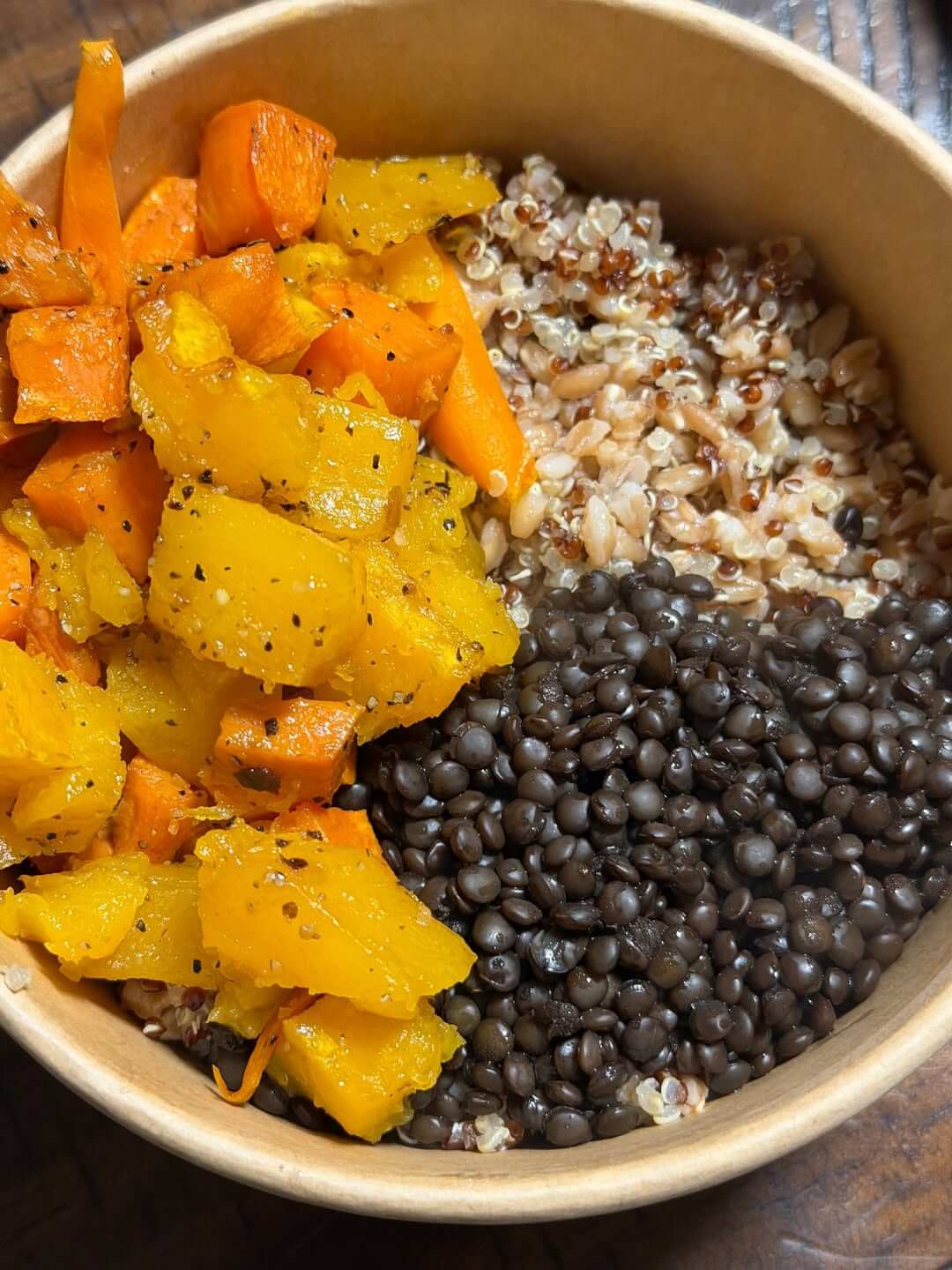
15 minutes
This bowl keeps you full, especially on evenings when you need something warm and bright.
Ingredients
Cooked lentils, cooked quinoa, roasted vegetables, olive oil, garlic, lemon, salt, pepper.
Instructions
Warm lentils and quinoa. Add vegetables. Mix olive oil, lemon, garlic, salt, and pepper. Pour over the bowl and stir. Add more lemon if needed.
Crispy Tempeh Bites with Honey-Soy Glaze
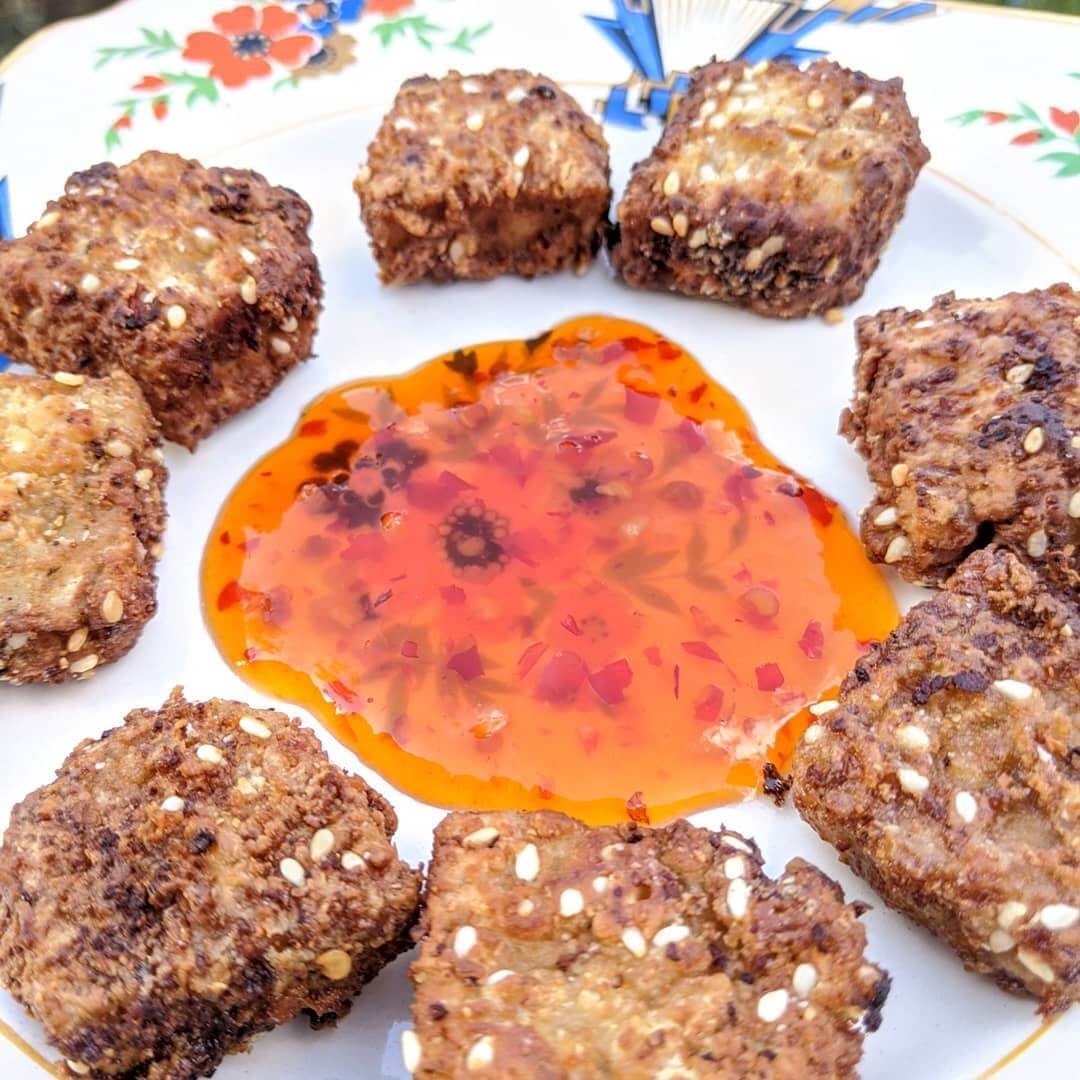
12–14 minutes
Tempeh crisps fast and pairs well with sweet-salty glaze.
Ingredients
Tempeh, honey, soy sauce, garlic, oil, salt.
Instructions
Cut tempeh into bites. Pan-sear until golden. Add honey, soy sauce, and garlic during the last minute. Let the glaze bubble and coat the pieces.
How to Keep These Meals Protein-Rich Every Time
Once you get into the rhythm of these recipes, adding protein becomes second nature. You can sprinkle seeds onto bowls, mix yogurt into sauces, or stir lentils into salads. These simple additions go a long way.
EatingWell notes that many high-protein vegetarian dinners reach at least 15 grams of protein per serving. You can often hit that mark even faster by pairing two strong protein sources in the same meal.
A pattern that helps is choosing one main protein, then adding one supporting ingredient. It boosts staying power without changing your cooking routine.
Quick Fixes for Common Cooking Problems
If tofu tastes bland, season earlier.
If a sauce thickens too much, loosen it with lemon or water.
If a bowl feels dull, add crunch or brightness.
These small moves help your meals taste balanced without extra effort. They also keep you moving through your week with food that feels steady and satisfying.
Before we close, some quick questions tend to come up when people start building higher-protein vegetarian meals at home.
These short answers can help you feel more comfortable experimenting in your own kitchen.
FAQs About High Protein Vegetarian Recipes
How much protein should a vegetarian aim for each day?
There’s no single number that fits everyone, but many people feel more steady when they spread protein throughout the day instead of saving it for one big meal.
Why do some vegetarian meals leave me hungry quickly?
It often happens when the meal leans too heavily on vegetables or grains alone. Pairing two protein sources — like beans with yogurt, or tofu with lentils — usually helps the meal last longer.
Can I get enough protein without meat?
Yes. A mix of beans, lentils, dairy, soy foods, nuts, and seeds gives your body what it needs when you rotate them through your weekly meals.
What are the easiest high-protein foods to keep on hand?
Canned beans, lentils, tofu, Greek yogurt, cottage cheese, nuts, seeds, and tempeh stay fresh for long stretches and fit into quick meals.
How can I raise the protein in a meal without changing the flavor?
Add a spoon of yogurt to sauces, toss in hemp or pumpkin seeds, or stir cooked lentils into bowls. These small additions boost protein without altering the dish too much.
What should I make on nights when I’m too tired to cook?
Wraps, scrambles, quesadillas, and warm bowls come together fast and still feel steady enough to carry you through the night.
Conclusion
High-protein vegetarian cooking doesn’t need long prep or complicated methods.
Once you keep a few strong ingredients nearby, meals start to feel warmer, steadier, and easier to put together.
You’ll notice the shift quickly, especially on busy days when you want something filling without a long recipe.
If you try any of these dishes, I’d love to hear about it.
Drop a comment below and tell me what you’re making next — or share your go-to high-protein vegetarian meal.
RELATED: